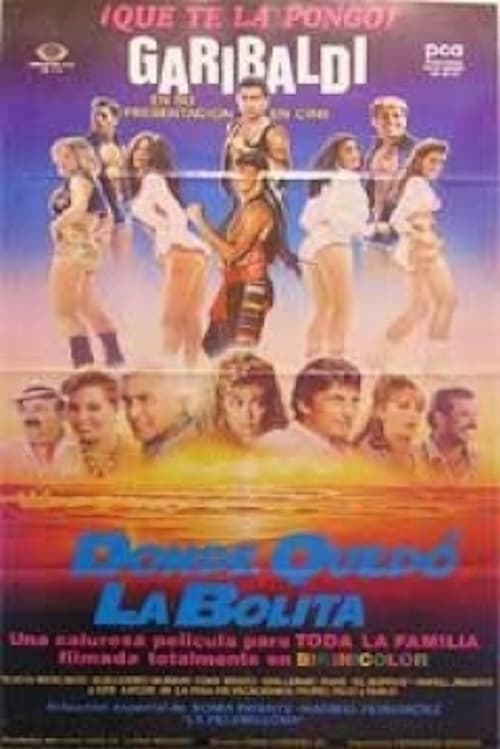
¿Dónde quedó la bolita?
1993
No user ratings available yet
Representation score: 2.7 out of 10

Representation Score
Limited
1987
Director
René Cardona Jr.
Runtime
90 minutes
Average Rating
No ratings yetNew Showbiz Analysis
Escápate conmigo is a conventional 1980s musical comedy that prioritizes genre clichés over progressive social commentary. While the female protagonist drives the plot through her quest for independence, the film remains rooted in traditional social structures. The production offers a non-Western perspective inherent to its Latin American origins, yet it lacks the depth necessary to challenge established norms. It functions primarily as a character-driven adventure rather than a tool for social subversion.
Category Breakdown
The film lacks LGBTQ+ characters or narratives addressing non-assuming gender matches what was assigned at birth identities. The plot centers around a traditional romantic conflict involving a forced marriage to a male figure.
Lucerito provides a central female perspective, taking control by rejecting a forced marriage. However, the story relies on traditional feminine archetypes like a 'Queen for one day' contest.
As a Latin American production, the film offers a non-Western cultural lens. It lacks specific evidence of diverse ethnic blending or the subversion of ethnic hierarchies within its setting.
The narrative follows conventional 1980s musical comedy structures. It focuses on personal adventure and guardian conflicts rather than deconstructing traditional institutions or offering systemic critiques.
There is no mention of characters with visible or invisible disabilities. The story does not include neurodivergent or physically disabled protagonists.
Present on Screen
Limited or Absent
Official Synopsis
Lucerito is a teenager of 17 who lives in a gloomy castle that belongs to her aunt Raymunda, her tutor and executor, too. Raymunda is very strict and scold and she makes Lucerito's life impossible and she wants to marry her to Don Gastón forcely. One day Lucerito watched on TV a contest, where the one who gives the pize of "Queen for one day" is Manuel, an old friend. She decided to sneak out and travel to the capital to participate in the contest; on this journey she meets several characters and experience unexpected adventures.
1993
1966
1991
1988
1966
1962

1969

1992
No reviews yet. Be the first to share your thoughts on this movie!
Use the rating form above to leave a star rating and optional review.