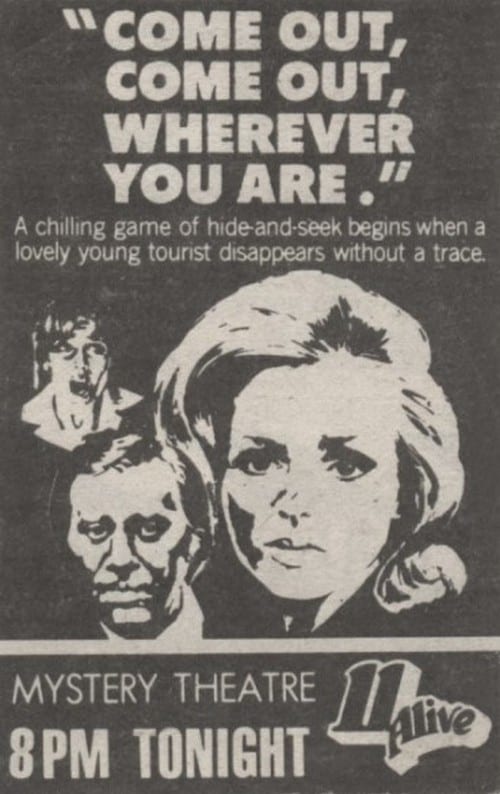
Come Out, Come Out, Wherever You Are
1974
No user ratings available yet
Diversity score: 3.4 out of 10
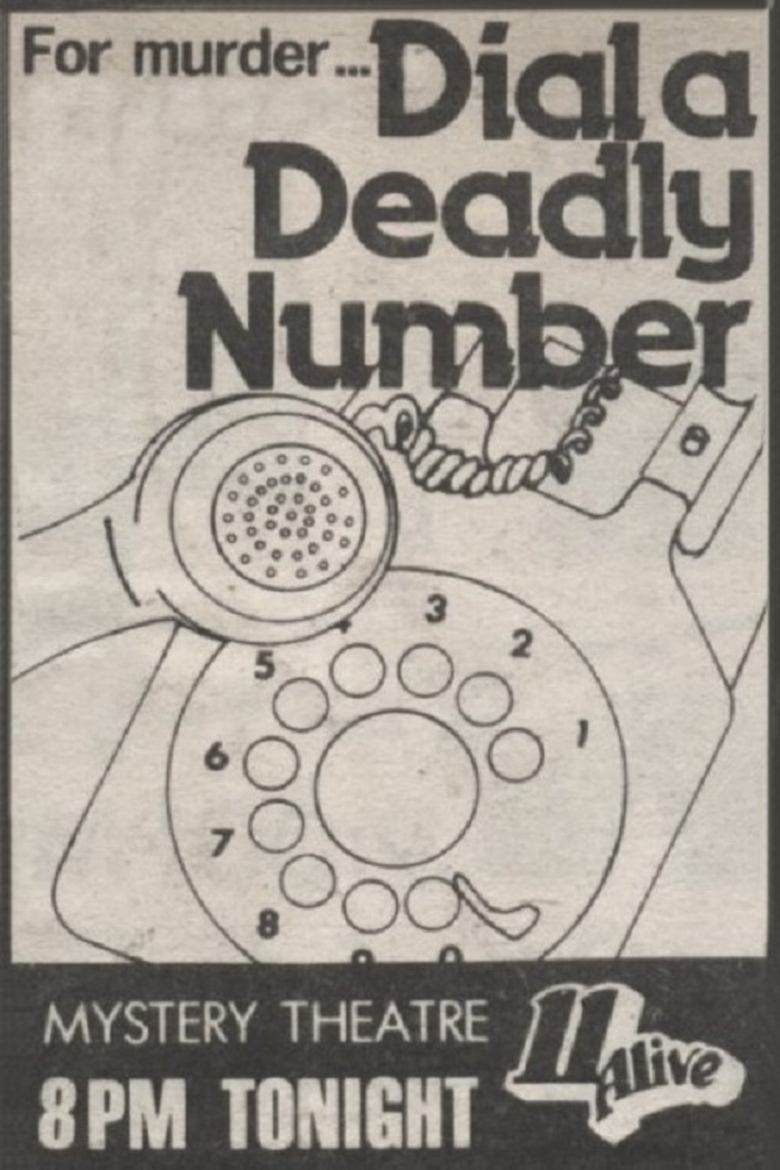
1975
TV-14Director
Ian Fordyce
Runtime
66 minutes
Average Rating
No ratings yetSynopsis
A young woman tormented by murderous dreams decides to call a psychiatrist for help but accidentally dials a desperate out -of-work actor.
Overall Score
Limited
Category Breakdown
LGBTQ+ Representation
The film lacks any indication of LGBTQ+ characters or queer narratives. There is no evidence of non-cisnormative identities within the story.
Gender Representation
A young woman leads the narrative, offering a female-centric perspective. However, her role centers on vulnerability and distress, potentially adhering to traditional gender tropes.
Racial & Ethnic Diversity
The available information provides no details regarding the racial or ethnic composition of the cast. It is impossible to determine the level of ethnic diversity present.
Religious & Cultural Diversity
The story focuses on individual psychological struggles rather than cultural critiques. It appears to follow conventional genre expectations without addressing specific religious or social institutions.
Disability Representation
The protagonist's murderous dreams suggest a focus on mental health or psychological distress. It remains unclear if this explores neurodivergence or serves as a simple plot device.
Strengths
Areas for Improvement
AI Analysis
Dial a Deadly Number functions as a standard mystery-horror television film from 1975. The narrative relies on psychological tension and a chance encounter between a distressed woman and an actor, prioritizing genre tropes over social commentary. While the film provides a female lead, the characterization leans toward traditional depictions of female vulnerability. The lack of information regarding racial or ethnic casting makes it difficult to assess the film's inclusivity beyond its central protagonist. Ultimately, the film appears to be a period-typical genre piece. It lacks verifiable evidence of intersectional representation or any significant subversion of social hierarchies.
No reviews yet. Be the first to share your thoughts on this movie!
Use the rating form above to leave a star rating and optional review.