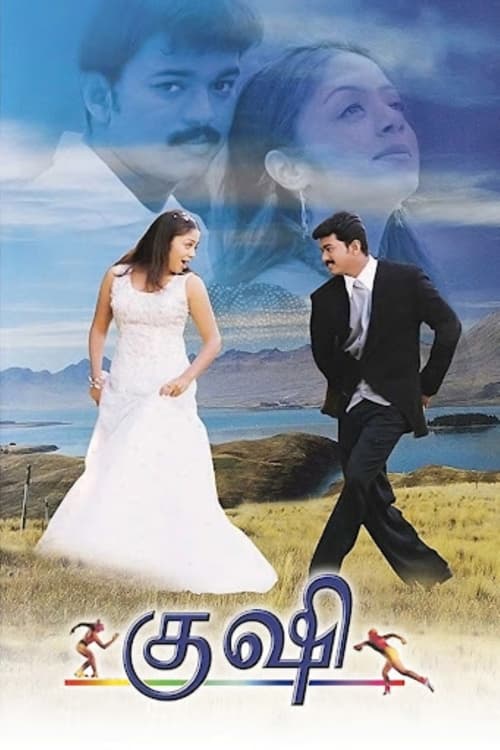
Kushi
2000
No user ratings available yet
Representation score: 3.2 out of 10

Representation Score
Fair
1999
Director
Kathir
Runtime
132 minutes
Average Rating
No ratings yetNew Showbiz Analysis
Kadhalar Dhinam is a period-specific romantic melodrama that prioritizes emotional resonance over social disruption. It excels in regional authenticity, grounding its story in a specific South Indian cultural context through its casting and setting. However, the film maintains a conservative approach to social hierarchies. The central conflict revolves around balancing personal desires against socioeconomic duties and patriarchal authority, reinforcing traditionalist worldviews rather than challenging systemic power dynamics. While the film provides a culturally cohesive experience, it lacks diversity in gender roles and LGBTQ+ representation, adhering to the conventional clichés of late-90s cinema.
Category Breakdown
The film does not include any queer-coded subtext or non-cisgender identities in its storyline.
The story follows traditional romantic melodrama clichés. While the female lead has emotional depth, the tension focuses on the male protagonist's struggle with patriarchal authority.
The film centers on a localized Tamil experience, using a homogenous South Indian cast to create a culturally authentic setting.
The narrative emphasizes traditional social structures and filial piety, focusing on respect for established authority and social stability.
Leukemia is used as a significant plot device to evoke emotional pathos, but the portrayal leans toward the tragic victim cliché rather than exploring the character's ability to drive the story.
Present on Screen
Limited or Absent
Official Synopsis
Two college students, the slum child Raja and the dean's daughter Roja, chat with each other over the Internet and fall in love. However, Roja is engaged and Raja cannot bear to disrespect her father, to whom he owes his livelihood.
2000
1989

2020

2009

2005

2010

2012

1996
No reviews yet. Be the first to share your thoughts on this movie!
Use the rating form above to leave a star rating and optional review.