
Kadhal Kottai
1996
No user ratings available yet
Diversity score: 3.9 out of 10
2004
Director
Balaji Sakthivel
Runtime
150 minutes
Average Rating
No ratings yetSynopsis
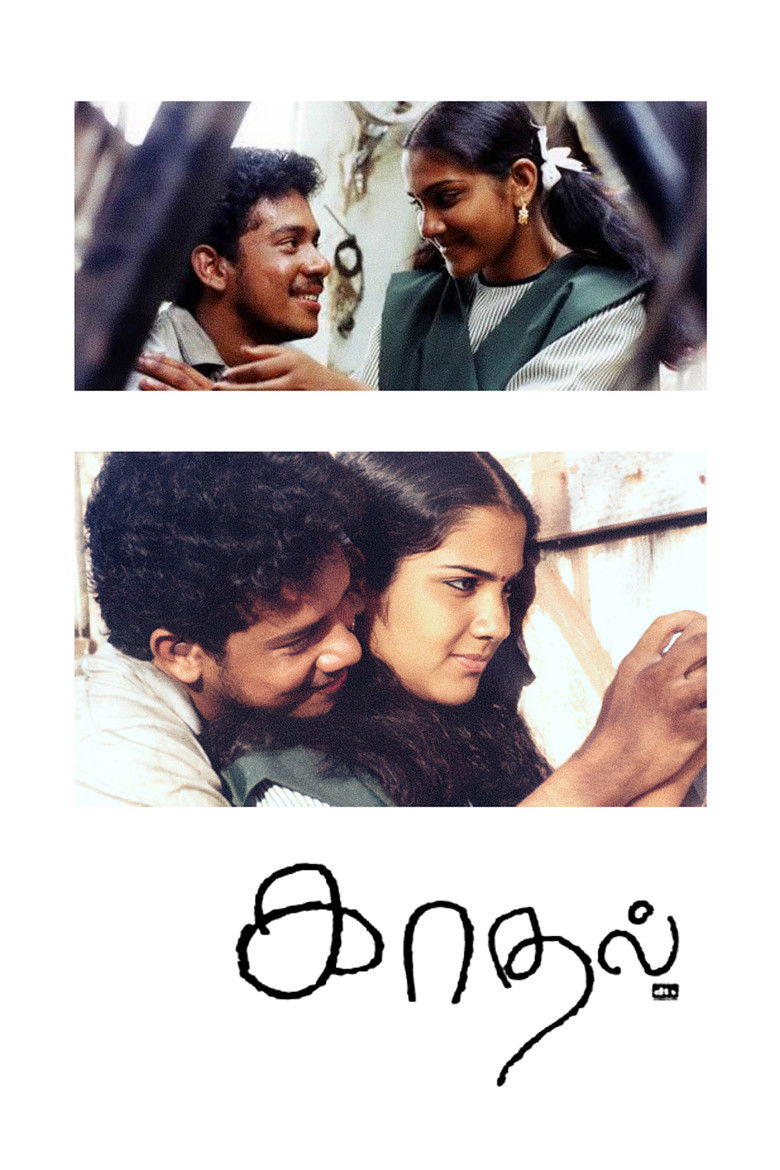
Murugan is a diligent scooter mechanic in Madurai, whose life goes on smoothly until a rich schoolgirl named Aishwarya sets her eyes on him. The infatuation reaches dangerous levels when she coaxes Murugan to take her away from the clutches of her family, which has other plans about her future.
Overall Score
Fair
Category Breakdown
LGBTQ+ Representation
The film operates within a strictly heteronormative framework. There is no evidence of non-cisnormative identities or same-sex intimacy, as the romantic conflicts focus entirely on heterosexual pairings.
Gender Representation
Aishwarya disrupts the trope of the passive female by exercising significant agency. She actively orchestrates her departure from her family, though the narrative highlights the social risks women face when defying patriarchal structures.
Racial & Ethnic Diversity
The film provides an authentic portrayal of South Indian urban life. It centers on the lived experiences of the Tamil demographic, focusing on socioeconomic distinctions rather than racial ones.
Religious & Cultural Diversity
The narrative critiques the nuclear family as a restrictive institution that enforces social stratification. It frames romantic autonomy as a necessary rebellion against systemic classism and familial authority.
Disability Representation
There is no prominent depiction of physical or neurodivergent disabilities. The dramatic tension remains centered on socioeconomic and emotional struggles.
Strengths
Areas for Improvement
AI Analysis
Kaadhal is a gritty, realist exploration of socioeconomic stratification. It replaces romanticized tropes with a stark examination of how class-based barriers dictate the agency of its protagonists. The film excels in its social critique, particularly regarding the friction between individual autonomy and rigid societal hierarchies. It uses the struggle against classism to drive its narrative tension. However, the film lacks diversity in terms of LGBTQ+ representation and disability visibility. It remains grounded in a traditional heteronormative framework and focuses primarily on class-based power dynamics.
1996

2014
2004

2013

2016

2010
1985
2000
2018
2004

2012

2022
No reviews yet. Be the first to share your thoughts on this movie!
Use the rating form above to leave a star rating and optional review.