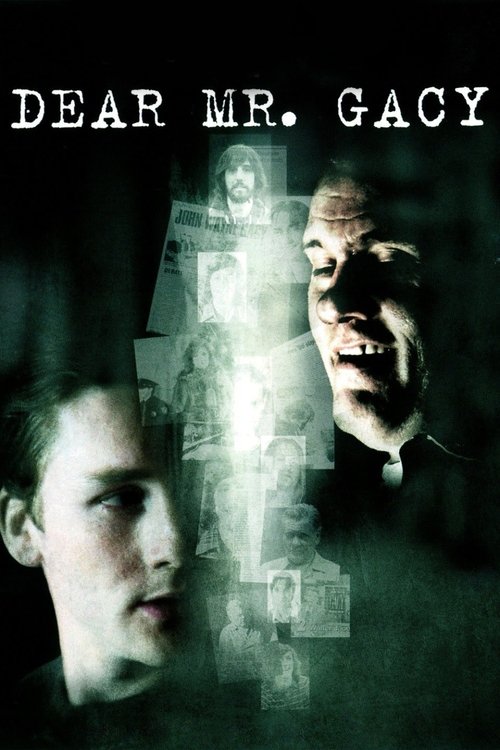
Dear Mr. Gacy
2010
No user ratings available yet
Representation score: 3.3 out of 10

Representation Score
Limited
1992
UnratedDirector
Eric Till
Runtime
0 minutes
Average Rating
No ratings yetNew Showbiz Analysis
To Catch a Killer is a traditional biographical crime thriller that emphasizes procedural realism over social critique. The narrative centers on the psychological tension of a manhunt, resulting in a limited scope of representation. The film adheres to the standard conventions of its era and genre. By focusing on male-dominated investigative structures and a homogeneous cast, it reinforces historical social norms rather than challenging them. Ultimately, the production maintains a conventional approach to storytelling. It highlights the contrast between law and transgression without delving into multi-layered identities or diverse social perspectives.
Category Breakdown
The film uses the killer's hidden life to increase suspense rather than offering detailed character development. LGBTQ+ identities are used mainly for creating tension and do not have much influence on the plot.
The story focuses heavily on a male-dominated world of law enforcement. The investigative roles are mostly played by men, reinforcing traditional mid-20th-century gender roles.
The production features a largely uniform cast reflecting the mid-20th-century setting. It lacks a diverse social landscape or varied representation.
The narrative operates within a framework of traditional morality and upholds established legal systems. It portrays law enforcement as a stabilizing force against chaos.
The film does not feature characters with visible or invisible disabilities. There is no representation of neurodivergent individuals in the main character arcs.
Present on Screen
Limited or Absent
Official Synopsis
"To Catch a Killer" tells the true gruesome story of John Wayne Gacy - a good friend and helpful neighbour, a great child entertainer, a respectful businessman, and a violent serial killer who raped and murdered over 30 young boys.
2010

1971

2007

1986

2006

2017
1985

2004
No reviews yet. Be the first to share your thoughts on this movie!
Use the rating form above to leave a star rating and optional review.