The Murder of Fred Hampton
1971
No user ratings available yet
Representation score: 4.0 out of 10
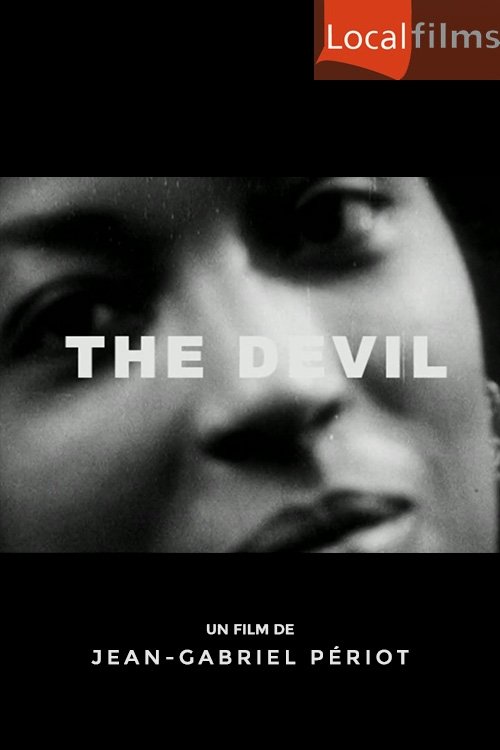
Representation Score
Good
2012
Director
Jean-Gabriel Périot
Runtime
8 minutes
Average Rating
No ratings yetNew Showbiz Analysis
The Devil is a sophisticated piece of media criticism that prioritizes challenging Western dominance over traditional identity politics. Its main strength lies in dismantling the constructed 'truth' of dominant news institutions by deconstructing Western hegemony. While the film excels in providing a significant role in driving the story to non-white subjects and questioning Western media labels, it lacks a clear focus on elevating female or LGBTQ+ identities. It functions more as a critique of power structures than a detailed exploration of specific demographic identities. Ultimately, the documentary successfully shifts underrepresented subjects from being passive objects of news reporting to complex agents of historical change, though it does not directly address disability or queer identities.
Category Breakdown
The film primarily explores geopolitical conflict and the symbolism of terrorism without focusing on queer narratives or non-straight identities.
The documentary highlights the gendered aspects of global conflicts through historical footage but does not actively promote female leadership or roles beyond incidental appearances.
The film stands out by avoiding a Western-centric perspective and gives significant importance to non-white individuals by questioning the 'terrorist' label often used by Western institutions.
The film engages deeply with post-colonial themes, challenging moral binaries by examining the distinction between terrorists and freedom fighters through Western media.
The film uses depictions of physical injuries as historical evidence of war rather than as character studies focused on disability. It does not emphasize neurodivergence or disability as a central narrative element.
Present on Screen
Limited or Absent
Official Synopsis
Documentary short about the Black Panther movement.
1971
2013
1968

2015
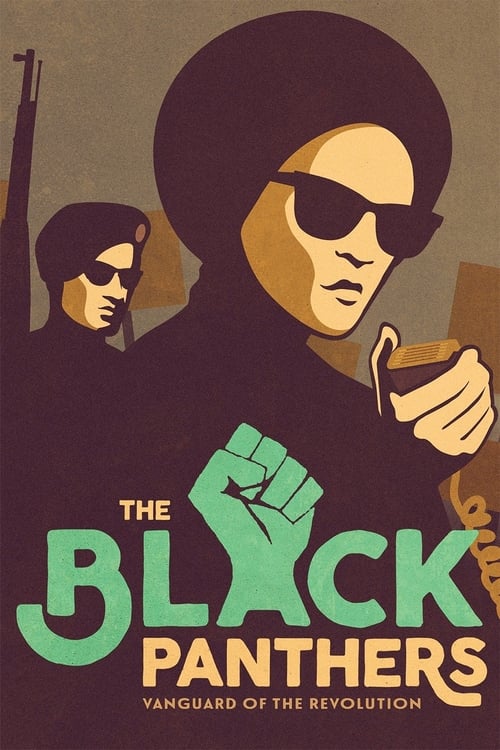
2015
2012
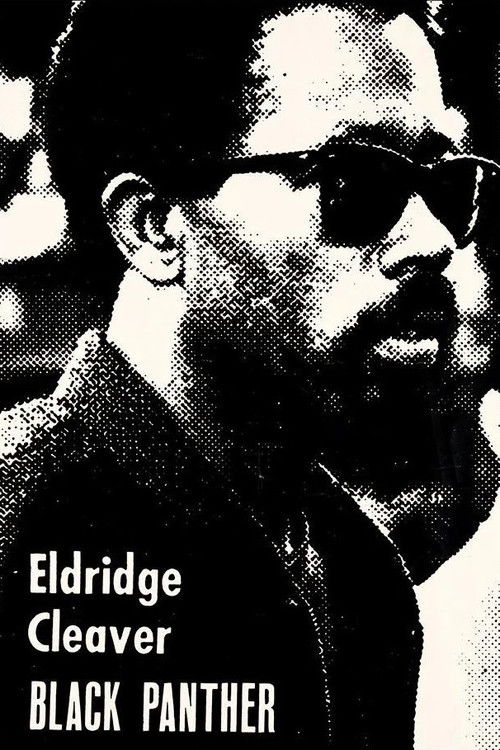
1970
2017
No reviews yet. Be the first to share your thoughts on this movie!
Use the rating form above to leave a star rating and optional review.