Chiruri
2011
No user ratings available yet
Representation score: 3.0 out of 10
Representation Score
Limited
2011
GDirector
Takahiro Omori
Runtime
45 minutes
Average Rating
No ratings yetNew Showbiz Analysis
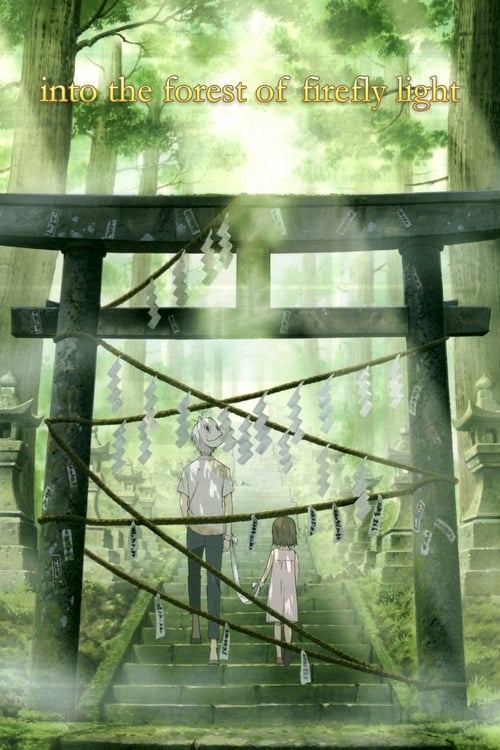
Hotarubi no Mori e is a poignant, traditional coming-of-age tale that emphasizes emotional resonance and mythic coherence over social disruption. It focuses on a culturally specific exploration of connection and loss through the lens of Japanese folklore. The film's limited diversity arises from its emphasis on a singular, traditional relationship and a homogeneous setting. It does not aim to challenge social hierarchies or incorporate diverse identity markers, preferring a narrative rooted in established cultural mythologies. While the film offers a nuanced evolution of gendered dynamics as the protagonist grows, it remains a traditionally structured work. It excels in thematic depth regarding tragic fate but offers minimal progressive social commentary.
Category Breakdown
The story centers on a traditional romantic relationship between Hotaru and Gin, with no representation of LGBTQ+ identities or critiques of conventional romantic clichés.
Hotaru transitions from a dependent child to an emotionally independent adolescent, gaining significant influence over her own life while maintaining a peer-based relationship. The film explores evolving gender dynamics without challenging traditional masculinity.
The cast is ethnically uniform, set in a rural Japanese environment. The film preserves Japanese mythic traditions without incorporating diverse backgrounds.
The narrative embraces the fatalism inherent in Japanese folklore, presenting spiritual elements as part of the natural world without critiquing organized religion.
The film does not depict any physical or neurodivergent disabilities; Gin's inability to be touched is a supernatural element rather than a portrayal of human disability.
Present on Screen
Limited or Absent
Official Synopsis
One hot summer day a little girl gets lost in an enchanted forest of the mountain god where spirits reside. A young boy appears before her, but she cannot touch him for fear of making him disappear. And so a wondrous adventure awaits...
2011

2017
1993
2017

2011
2009
2013
2017
No reviews yet. Be the first to share your thoughts on this movie!
Use the rating form above to leave a star rating and optional review.