
Chiruri
2011
No user ratings available yet
Representation score: 3.0 out of 10
Representation Score
Limited
2007
GDirector
Keiichi Hara
Runtime
138 minutes
Average Rating
No ratings yetNew Showbiz Analysis
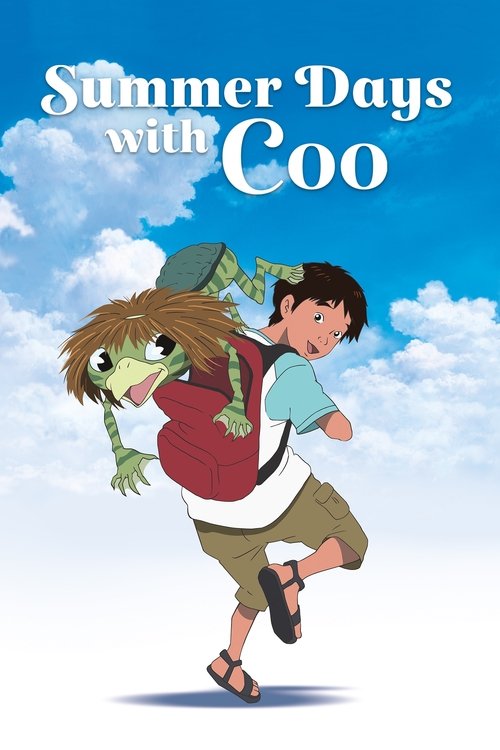
Summer Days with Coo is a character-driven fable that prioritizes atmospheric storytelling and childhood wonder over social critique. It uses the Kappa as a metaphor for underrepresented entities and lost cultures, but this remains rooted in folklore rather than modern identity politics. The film maintains a stable social hierarchy and adheres to the socio-cultural realities of rural Japan. Consequently, it lacks the intentional subversion of traditional norms or multi-layered casting required for a higher diversity score.
Category Breakdown
The film does not include any LGBTQ+ characters or those with non-binary gender identities. The story focuses on a friendship between a child and a mythical creature within typical social structures.
The story follows a traditional male-centric coming-of-age narrative. It avoids overt sexism but does not challenge existing gender hierarchies or dynamics.
The setting and cast reflect a homogeneous rural Japanese population. While the Kappa symbolizes a underrepresented cultural remnant, the human characters lack multi-ethnic diversity.
The narrative emphasizes folklore and a nature-centric worldview over state or religious morality. It explores the tension between childhood innocence and institutional authority.
There are no prominent depictions of physical or neurodivergent disabilities. Such traits do not serve as central drivers for the characters or the plot.
Present on Screen
Limited or Absent
Official Synopsis
A small, lone Kappa miraculously survives over 200 years into modern day Japan, when he is found by young Koichi. Coo, who is secretly adopted by Koichi's family, searches with his new human friend for unpopulated places in hopes of finding any remaining of his kind.
2011

2017

2011

2018

2016

2011
2012
1997
No reviews yet. Be the first to share your thoughts on this movie!
Use the rating form above to leave a star rating and optional review.