Marty
1955
No user ratings available yet
Representation score: 3.7 out of 10
Representation Score
Limited
1953
TV-PGDirector
Delbert Mann
Runtime
51 minutes
Average Rating
No ratings yetNew Showbiz Analysis
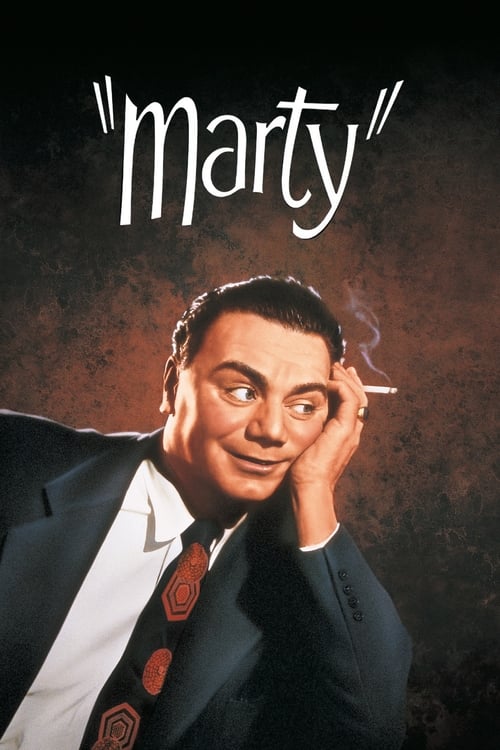
Marty is a character study focused on the psychological interiority of a working-class man in the mid-20th century. The film provides a nuanced, empathetic look at ethnic identity and the emotional struggles of social isolation. However, it remains tied to the social hierarchies and traditional gender roles of its time, lacking any subversion or diverse representation of identity.
Category Breakdown
The film does not include any representations of LGBTQ+ identities or non-assuming gender matches what was assigned at birth perspectives. It operates within a framework that assumes everyone is straight and cisgender.
Women in the film often serve as catalysts for domestic expectations, highlighting traditional gender roles. However, the film does not challenge these hierarchies or offer more progressive representations of gender.
The story provides a detailed look at the Italian-American working class in the Bronx, avoiding caricatures and offering depth to the protagonist's cultural identity and communal pressures.
The narrative reinforces traditional Western social structures and the importance of the nuclear family. It portrays the working-class struggle as a pursuit of belonging within established social frameworks.
While the film does not depict any physical disabilities, it explores the psychological impact of chronic loneliness and treats the protagonist's low self-esteem with empathy.
Present on Screen
Limited or Absent
Official Synopsis
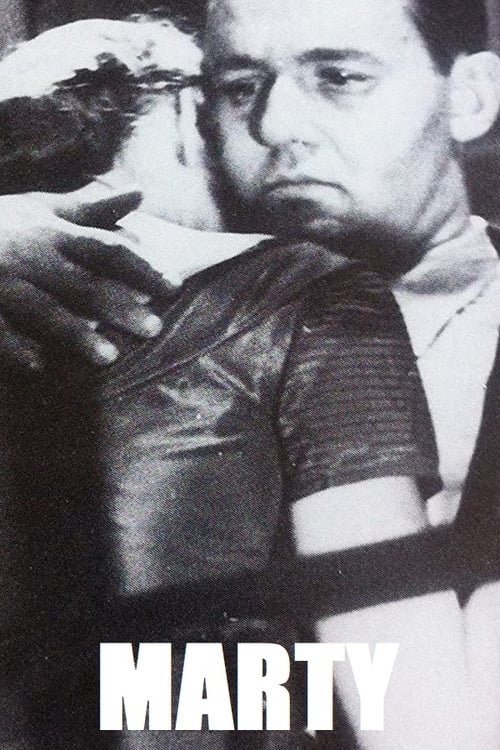
Marty Pilletti is a 36-year-old butcher who lives with his mother, who is always asking him why he doesn't find a nice girl and get married. The truth is Marty is lonely and would like nothing better, but he has low self-esteem and admits to his mother that he's ugly and no one wants him. He's tired of going to the Saturday night dance with his buddies and then going home more depressed than he was when the evening started. But at one of those dances he meets Clara. They have a great deal in common but Marty will have to overcome peer pressure if he and Clara are to have a relationship.
1955
1972

1959

1971
1974
No reviews yet. Be the first to share your thoughts on this movie!
Use the rating form above to leave a star rating and optional review.