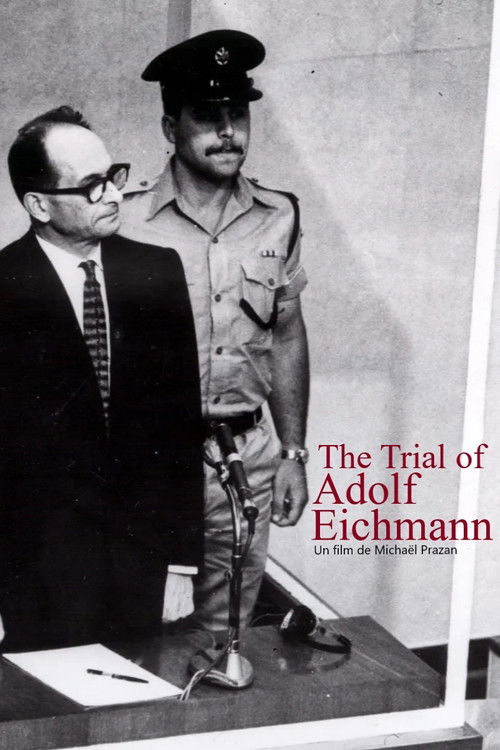
The Trial of Adolf Eichmann
2011
No user ratings available yet
Representation score: 5.6 out of 10
Representation Score
Fair
1981
Director
Dieter Hildebrandt
Runtime
89 minutes
Average Rating
No ratings yetNew Showbiz Analysis
The film serves as a powerful historical document, focusing on the lived experiences of the Jewish diaspora. It effectively exposes the mechanisms of state-sponsored identity erasure and systemic violence. While the film excels in examining ethnic persecution and critiquing radicalized nationalism, it does not address other underrepresented identities. Its narrative is closely tied to the Jewish experience during the 1930s and 1940s. Overall, the documentary functions as a cautionary tale, using history to critique unchecked state power and the exclusion of certain groups.
Category Breakdown
The film focuses specifically on the Jewish experience during the Holocaust. While the era involved LGBTQ+ persecution, the narrative does not explicitly center non-assuming gender matches what was assigned at birth identities.
The documentary focuses on a period marked by extreme patriarchal control. It does not show women taking leading roles or challenging traditional hierarchies.
The film offers a deep look at ethnic persecution. It centers the Jewish diaspora to challenge Eurocentric narratives and highlights the systemic attempt to erase an entire group.
The narrative criticizes the weaponization of national identity and prioritizes a moral framework of universal human rights over the oppressive morality of the Third Reich.
There is no specific evidence regarding the portrayal of physical or neurodivergent disabilities within the film.
Present on Screen
Limited or Absent
Official Synopsis
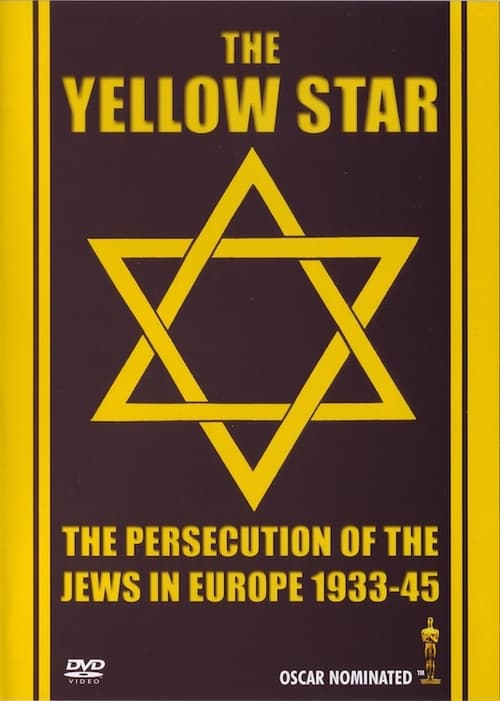
This Oscar nominated documentary serves not only as a remembrance but a lesson and a warning for the future. It follows the plight of Europe's Jews during the terrifying period from 1933 until the final defeat of the Third Reich in 1945. Never before had the world seen such contempt for human life on such a grand scale, the murder of an estimated 6 million Jews, with countless others persecuted. During the 1930s a wave of national fervor swept through a tumultuous Germany; people looked for answers, and the politicians were all too willing to point the finger of blame towards the Jewish population. Few, if any, could have foreseen how the views of one man would unfold…that man was Adolf Hitler.
2011
1998
1994

1985
2022
1935
1960
2015
No reviews yet. Be the first to share your thoughts on this movie!
Use the rating form above to leave a star rating and optional review.