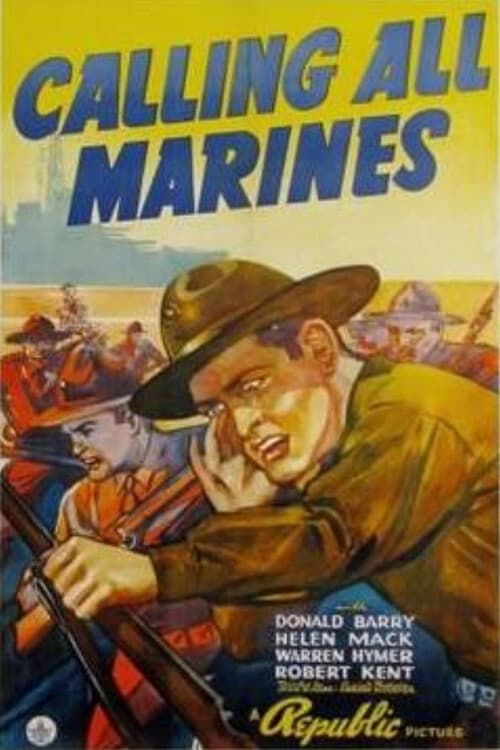
Calling All Marines
1939
No user ratings available yet
Diversity score: 2.6 out of 10
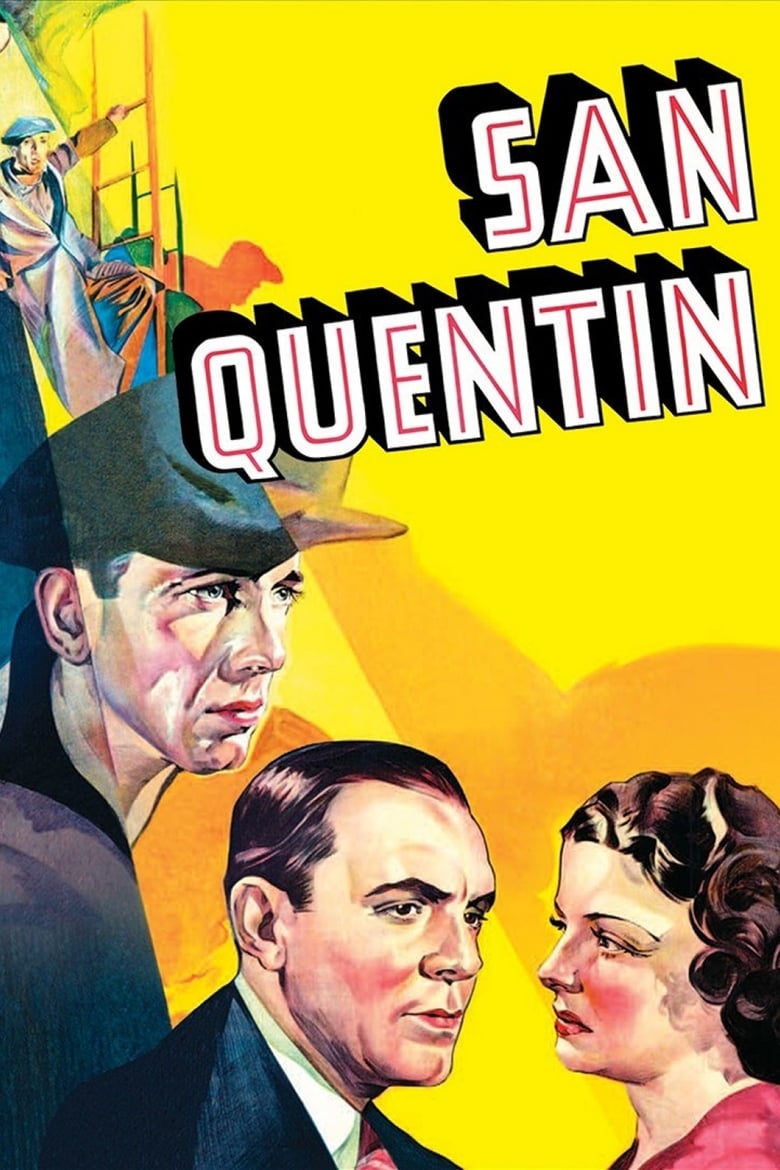
1937
Director
Lloyd Bacon
Runtime
70 minutes
Average Rating
No ratings yetSynopsis
Ex-Army officer Jameson takes a job a prison guard at San Quentin. Joe, the brother of his new girlfriend May, is sentenced to the prison for robbery. When Jameson tries to separate lawbreakers from hardened criminals, badguy Hansen tries to stir up trouble by telling Joe about Jameson's interest in his sister.
Overall Score
Minimal
Category Breakdown
LGBTQ+ Representation
The film lacks any discernible LGBTQ+ characters or narratives. The social landscape is defined by a strictly heteronormative romantic subplot between Jameson and May.
Gender Representation
The narrative centers on an almost exclusively all-male ensemble. Female characters are relegated to peripheral roles, serving primarily as romantic motivators for the male leads.
Racial & Ethnic Diversity
The film presents a largely homogeneous cast consistent with 1937 cinematic standards. It lacks significant characters of color with agency or race-based themes.
Religious & Cultural Diversity
The film offers a nuanced look at institutional efficacy through the lens of inmate-led codes. It depicts survival and dignity within a breakdown of official administration.
Disability Representation
There is no significant evidence of characters with visible or invisible disabilities. The focus remains on the physical and moral struggles of the inmate population.
Strengths
Areas for Improvement
AI Analysis
San Quentin is a period-specific crime drama that prioritizes traditional masculine hierarchies and institutional power dynamics. The story focuses on the friction between state authority and the self-policing codes of the incarcerated population. While the film provides a glimpse into the social order of a marginalized community, it does so through a highly conventional lens. The narrative lacks intersectional complexity, offering little representation of gender, race, or identity beyond the central male-driven conflict. Ultimately, the film reflects the era's tendency toward Anglo-centric, heteronormative storytelling, leaving significant social dimensions unexplored.
1939

1996
1984
1929
1939
1950
1987

2015
1975
1972
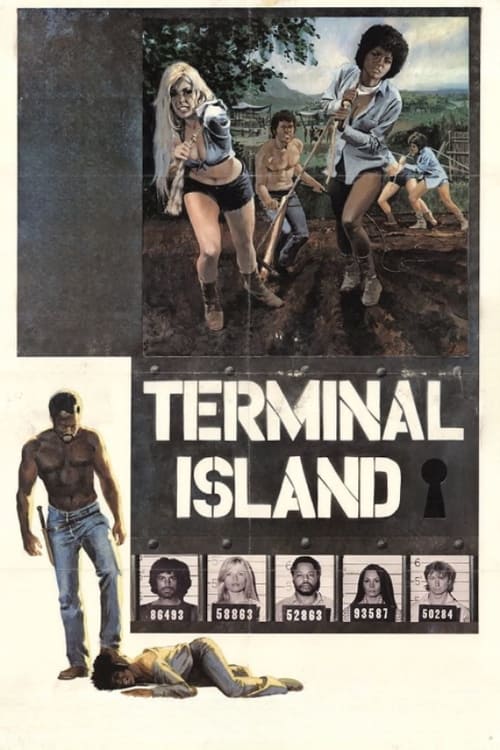
1973

1927
No reviews yet. Be the first to share your thoughts on this movie!
Use the rating form above to leave a star rating and optional review.