
Facies
2022
No user ratings available yet
Representation score: 5.4 out of 10
Representation Score
Good
2020
Director
Albert Pintó
Runtime
105 minutes
Average Rating
No ratings yetNew Showbiz Analysis
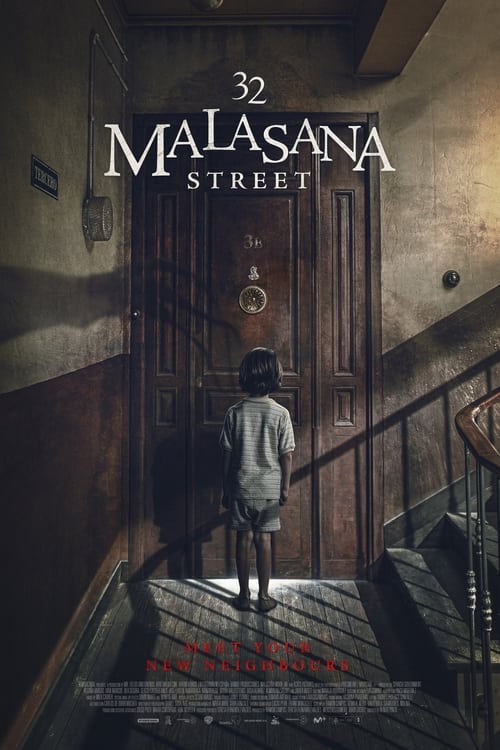
32 Malasaña Street is a genre-driven period piece that emphasizes atmospheric tension over overt identity politics. It successfully dismantles the notion of a stable, cohesive domestic space, replacing it with a landscape of urban isolation. However, the film lacks diverse casting and explicit challenges to queer or racial norms. The portrayal of various identities remains largely incidental to the central supernatural mystery and the family's domestic life.
Category Breakdown
The story focuses on the Olmedo family and supernatural mysteries. LGBTQ+ identities are present as part of the background but do not play a central role in driving the narrative.
Female characters have significant roles within the home, but the film upholds traditional family structures. It does not actively challenge conventional gender roles or masculinity.
The cast reflects the demographics of 1976 Madrid, capturing various socioeconomic backgrounds. However, it does not use diverse casting to challenge historical norms.
The film examines urban alienation and the dissolution of traditional communities. It presents a postmodern view of community through themes of isolation and found families.
Psychological fragility is explored through magical realism, but characters have limited control over their situations. Eccentric tenants often serve the mystery genre rather than offering nuanced depictions of neurodivergence.
Present on Screen
Limited or Absent
Official Synopsis
Malasaña neighborhood, Madrid, Spain, 1976. While political turmoil ravages the streets all over the country, the Olmedo family arrives in the big city and settles into their new apartment. They soon discover that they are not the only ones roaming its corridors.
2022
1976
2022
2006

2006
2002

2020
2023
No reviews yet. Be the first to share your thoughts on this movie!
Use the rating form above to leave a star rating and optional review.