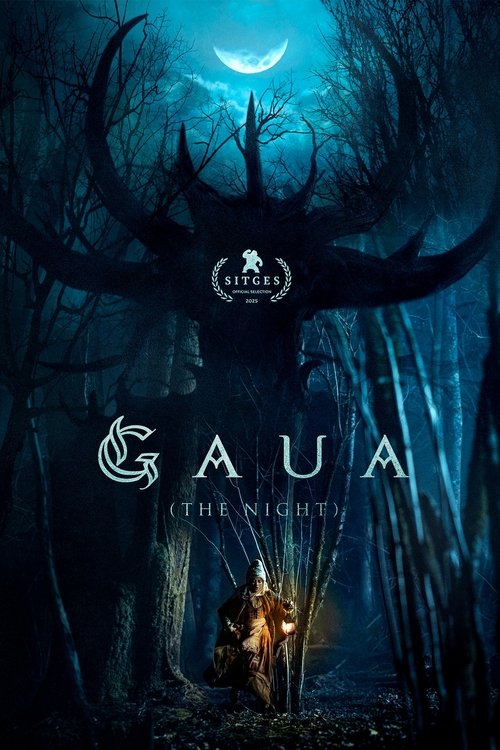
Gaua (The Night)
2025
No user ratings available yet
Representation score: 6.3 out of 10

Representation Score
Fair
2020
Director
Paul Urkijo Alijo
Runtime
10 minutes
Average Rating
No ratings yetNew Showbiz Analysis
Dar-Dar stands out for its authentic portrayal of Colombian identity and the socioeconomic realities of the Andes region. By using color-conscious casting, the film avoids whitewashing and offers a nuanced view of non-Western lives. However, the film's focus on a traditional family unit limits its exploration of broader social diversity. There is also a lack of representation of LGBTQ+ characters and non-traditional gender identities. Overall, Dar-Dar provides a powerful critique of systemic neglect and the struggles of underrepresented communities, though it remains narrow in its character studies.
Category Breakdown
The film does not include any LGBTQ+ characters or explore non-traditional gender identities. The story focuses solely on a traditional family bond.
A young girl serves as the main character, playing a significant role in driving the story. Despite the presence of a patriarchal figure, the narrative centers around the girl's survival in a challenging environment.
The film features a cast that includes indigenous and local Colombian populations, emphasizing the connection between ethnicity and the land. This approach highlights the unique cultural ties of the characters to their surroundings.
The story critiques the neglect of rural communities by highlighting their isolation and struggles against indifferent state mechanisms. It portrays the difficulties faced by underrepresented groups in the context of Western-centric development models.
There is no depiction of physical or neurodivergent disabilities within the narrative.
Present on Screen
Limited or Absent
Official Synopsis
In the mountains of the Basque Country, a mother and her daughter take shelter in a ruined hut that seems uninhabited.
2025
2018

2008
2006
2017
2002
2022
2022
No reviews yet. Be the first to share your thoughts on this movie!
Use the rating form above to leave a star rating and optional review.