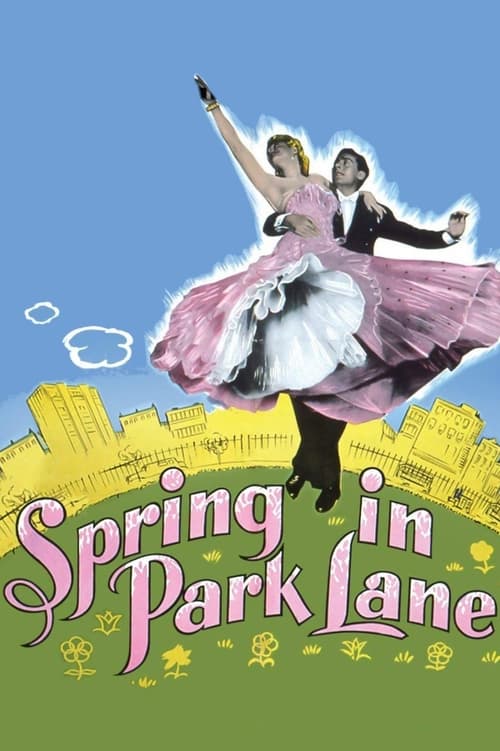
Spring in Park Lane
1948
No user ratings available yet
Representation score: 0.4 out of 10
Representation Score
Minimal
1949
GDirector
John Paddy Carstairs
Runtime
84 minutes
Average Rating
No ratings yetNew Showbiz Analysis
The film operates as a period-specific comedy that upholds mid-century British social and political norms. It relies on traditional class and gender clichés to create situational humor. Representation is constrained by the era's limitations, focusing on a homogeneous, Anglo-centric world. The narrative prioritizes traditional matrimonial goals and aristocratic preservation over systemic disruption. Overall, the work lacks depth in reflecting multiple aspects of identity, using political shifts as a comedic device rather than a tool for social critique.
Category Breakdown
The film emphasizes traditional courtship and aristocratic heritage. It does not include any non-straight or non-cisgender identities and does not challenge the assumption that everyone is straight or cisgender.
Gender roles remain traditional, with power concentrated on male political influence. The American fiancée has economic influence but mainly serves as a catalyst for the male protagonist.
The cast and setting are overwhelmingly homogeneous and focused on Anglo culture. There is no indication of racial mixing or non-white actors.
The story highlights the tension between Toryism and the Labour Party through humorous misunderstandings. It reinforces class stability by depicting traditional domestic service.
There are no visible or invisible disabilities that play a central role in the character arcs or plot development.
Present on Screen
Limited or Absent
Official Synopsis
Young Viscount Tony Pym wangles National Service leave on the pretext of standing as a Tory candidate for a local seat held by his family for generations. The request is a ruse to enable Pym to marry his wealthy American fiancee while she's still in England, but his masterplan backfires when he finds himself swept into an election campaign and beaten by Labour's Mr Cleghorn – who is then made a peer. In an attempt to save face, Pym decides to stand again – as a socialist. It all proves too much for the Pyms' loyal, true-blue butler, Mr Beecham...
1948
1940
1939

1946
1959
1952
1956
1948
No reviews yet. Be the first to share your thoughts on this movie!
Use the rating form above to leave a star rating and optional review.