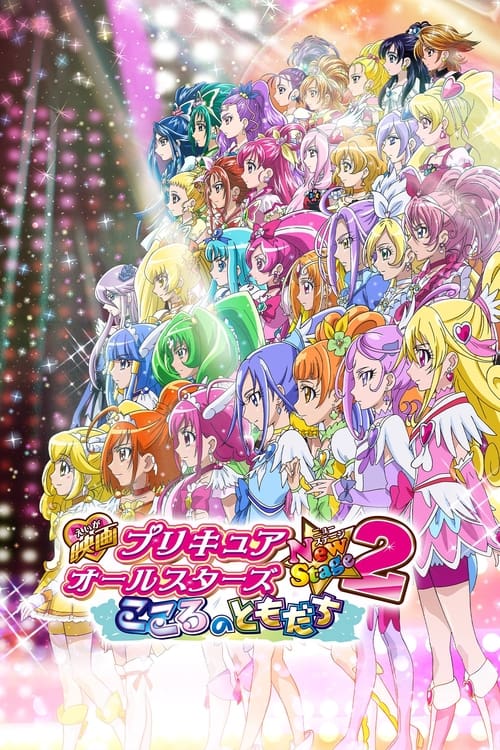
Pretty Cure All Stars New Stage 2: Friends from the Heart
2013
No user ratings available yet
Representation score: 6.9 out of 10
Representation Score
Limited
2013
Director
Naoyuki Ito
Runtime
72 minutes
Average Rating
No ratings yetNew Showbiz Analysis
The film stands out in gender representation by giving its female leads significant roles and physical prowess. This subversion of traditional feminine roles provides a strong foundation for character-driven action. However, the production remains narrow in its demographic scope. It operates within a homogeneous cultural framework that lacks racial diversity and includes no representation of LGBTQ+ identities or individuals with disabilities. Ultimately, the movie celebrates traditional social bonds and established heroic archetypes. While empowering for its female cast, it does not offer a broad range of diverse identities or systemic critiques.
Category Breakdown
The film does not include any LGBTQ+ characters or non-cisgender identities. It maintains traditional romantic and social frameworks without depicting same-sex relationships or challenging assumptions about straight relationships.
Female protagonists play a significant role in driving the plot with both intelligence and physical strength. The film successfully subverts the traditional damsel in distress cliché by placing young women in central defensive roles.
The cast is made up of a homogeneous group set in a typical Japanese urban setting. There are no diverse racial or ethnic backgrounds represented in the film.
The story emphasizes communal harmony, family lineage, and the preservation of memories. The narrative sticks to traditional moral frameworks without offering critiques of societal structures.
The film does not feature any characters with visible or invisible disabilities. There are no characters defined by neurodivergence or physical impairments, leaving this area of representation unaddressed.
Present on Screen
Limited or Absent
Official Synopsis
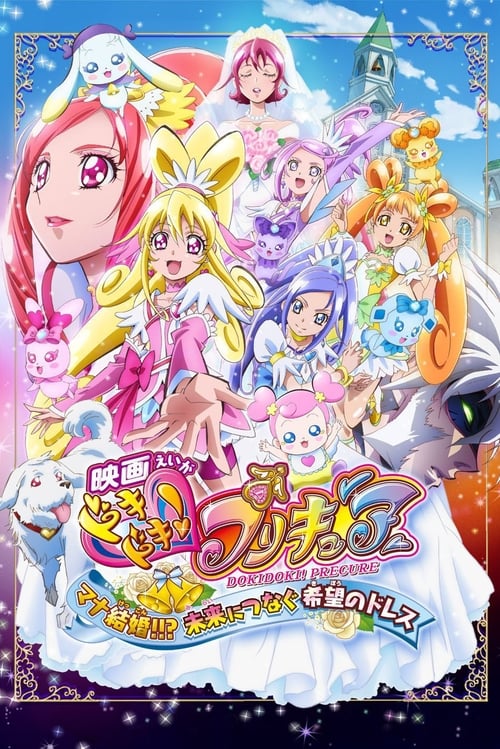
One day, Mana Aida receives a wedding dress from her mother and grandmother that they had worn in the past. While thinking about who she would wear this beside someday, a mysterious man named Marsh appears, and Mana is thrown back into the past. She was happy to see her grandmother she loved and her old dog Maro, but she then realizes that Alice and Rikka aren't there because memories have been altered. In order to save precious memories, the future, dreams and hope, Mana transforms into Cure Heart.
2013
1993

2014

2012

2016
2010

2012
2014
No reviews yet. Be the first to share your thoughts on this movie!
Use the rating form above to leave a star rating and optional review.