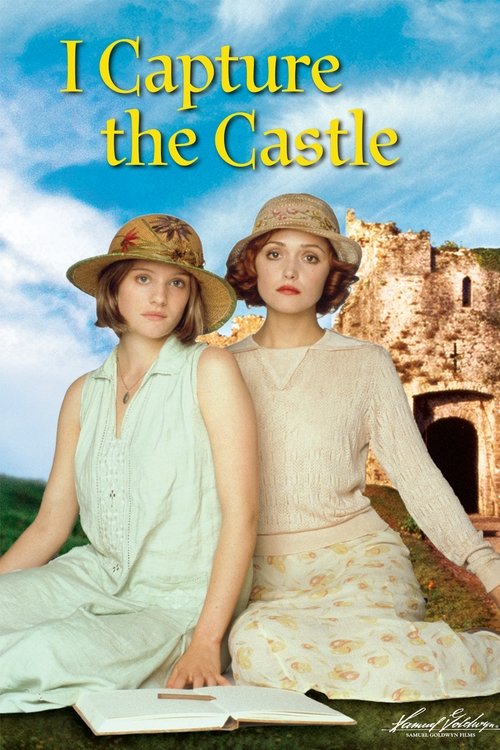
I Capture the Castle
2003
No user ratings available yet
Representation score: 4.6 out of 10
Representation Score
Good
2000
RDirector
Deborah Warner
Runtime
103 minutes
Average Rating
No ratings yetNew Showbiz Analysis
Deborah Warner’s drama serves as a sophisticated biographical study that dismantles traditional historical clichés. By centering on Constance Markievicz, the film prioritizes the deconstruction of British imperial authority and the promotion of radical, anti-establishment ideals. The film's strength lies in its subversion of gender roles and its deep engagement with post-colonial themes. It presents a woman whose political convictions drive the narrative, rather than a submissive figure common in period dramas. However, the film lacks explicit LGBTQ+ visibility and does not feature multi-ethnic casting. While it critiques colonial structures, the cast remains largely homogeneous, reflecting the specific historical context of the Irish struggle.
Category Breakdown
The film does not prominently feature LGBTQ+ characters, but it maintains a nuanced approach to personal autonomy through the protagonist's relationships with men.
The film challenges Edwardian gender norms by centering a female protagonist with high ability to act. Her militant political activism and intellect drive the story's momentum.
Set during the Irish War of Independence, the film functions as a post-colonial critique. While the cast is largely homogeneous, it explores ethnic identity through the struggle against British hegemony.
The film excels in critiquing traditional Western institutions and British administration. It frames the protagonist's radicalism and involvement in the Irish Republican movement as a response to systemic injustice.
There is no significant evidence regarding the portrayal of physical or neurodivergent disabilities in this work.
Present on Screen
Limited or Absent
Official Synopsis
In 1920s Ireland, an elderly couple reside over a tired country estate. Living with them are their high-spirited niece, their Oxford student nephew, and married house guests, who are trying to cover up that they are presently homeless. The niece enjoys romantic frolics with a soldier and a hidden guerrilla fighter. All of the principals are thrown into turmoil when one more guest arrives with considerable wit and unwanted advice.
2003

1974
1978

2007
1979
1992
1981

2017
No reviews yet. Be the first to share your thoughts on this movie!
Use the rating form above to leave a star rating and optional review.