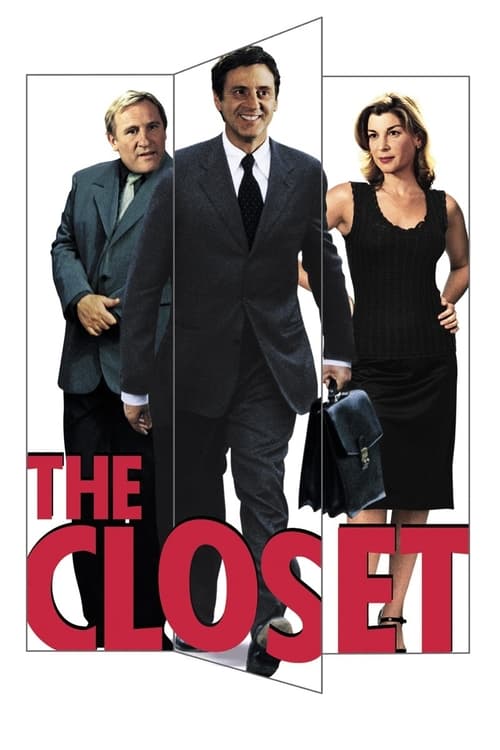
The Closet
2001
No user ratings available yet
Representation score: 1.5 out of 10

Representation Score
Limited
1997
NRDirector
Claude Fournier
Runtime
104 minutes
Average Rating
No ratings yetNew Showbiz Analysis
Claude Fournier’s comedy relies on conventional clichés and traditional narrative structures. The film explores identity through the lens of deception and social maneuvering rather than through authentic or multi-layered lived experiences. The protagonist's performance of a queer identity serves his career ambitions, which frames non-straight relationships as a source of comedic conflict. This approach prioritizes situational humor over nuanced representation. Furthermore, the film maintains a narrow social focus. The lack of racial diversity and the reactive nature of the female characters suggest a production centered on a conventional, homogeneous European milieu.
Category Breakdown
The film uses queer identity as a tool for professional advancement. Instead of authentic representation, it relies on the misunderstanding cliché to create comedic tension.
The story centers on the male protagonist's role and social navigation. Female characters, including his wife and mother, primarily react to his actions rather than driving the plot themselves.
The film appears to focus on a homogeneous social setting. There is no indication of a multi-ethnic cast or diverse racial representation within this localized French comedy.
The narrative operates within traditional social and professional hierarchies. It focuses on individual reputation and mimicry rather than challenging Western institutions or cultural norms.
There is no evidence of characters with visible or invisible disabilities included in the film.
Present on Screen
Limited or Absent
Official Synopsis
A heterosexual man pretends to be gay in order to keep his career in the world of art, which causes many misunderstandings with his wife, and mother.
2001

1978

1996

1996

2016

1973

2015

2004
No reviews yet. Be the first to share your thoughts on this movie!
Use the rating form above to leave a star rating and optional review.