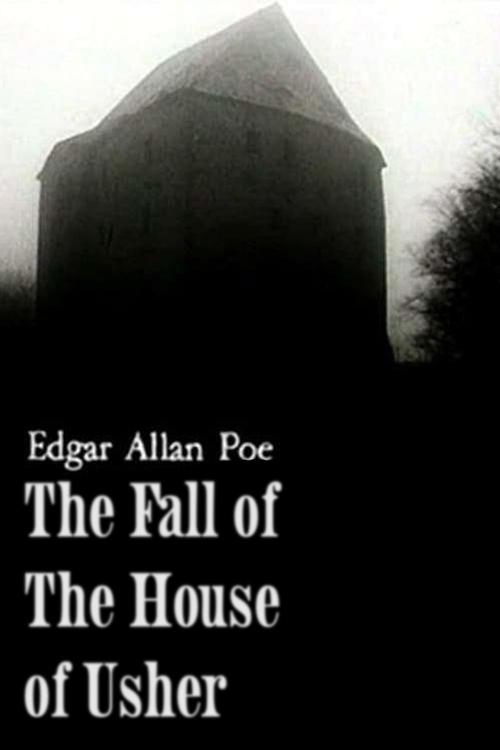
The Fall of the House of Usher
1982
No user ratings available yet
Representation score: 2.7 out of 10
Representation Score
Minimal
1988
Not RatedDirector
Stephen Quay, Timothy Quay
Runtime
1 minutes
Average Rating
No ratings yetNew Showbiz Analysis
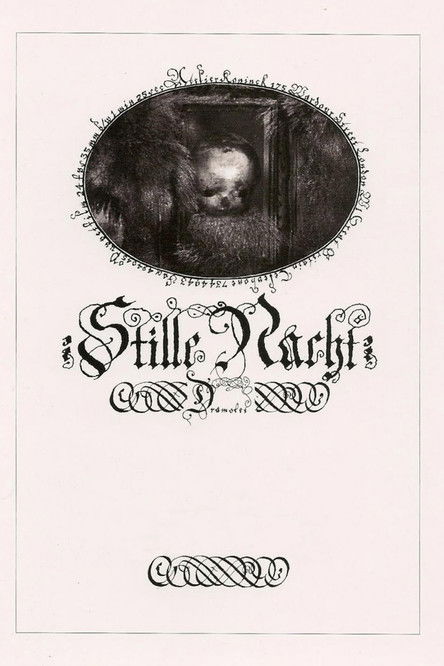
Stille Nacht I: Dramolet is an avant-garde film that prioritizes atmosphere over identity. By focusing on inanimate objects and insects, the film sidesteps the usual frameworks needed for demographic representation. Since there are no human subjects, the film does not address gender, race, or sexual orientation. Instead, it explores tactile textures and non-linear movement without engaging in social commentary. While the film lacks inclusive representation, it scores points for its cultural subversion. Its rejection of standard storytelling structures aligns with a postmodernist departure from institutionalized norms.
Category Breakdown
The film does not include any LGBTQ+ characters or themes. The plot revolves around mechanical and insectoid movements.
There are no human characters with clear gender roles. A doll child appears, but it does not have a defined gender.
The story focuses on non-human entities such as moths and magnets. It does not show human social structures or ethnic identities.
The work avoids traditional Western storytelling clichés by using surrealism. It emphasizes abstract symbolism and mechanical isolation over conventional cultural norms.
No characters exhibit physical or neurodivergent disabilities. The movement of objects is governed by physics and surrealism rather than human abilities.
Present on Screen
Limited or Absent
Official Synopsis
A magnet moves on a floor. A moth beats against a window. A doll child watches the magnet; threads of metal filings gather around the magnet.
1982
1987
1993
1986

1983
1980

1992
1985
No reviews yet. Be the first to share your thoughts on this movie!
Use the rating form above to leave a star rating and optional review.