
Dynamite Pass
1950
No user ratings available yet
Diversity score: 2.5 out of 10
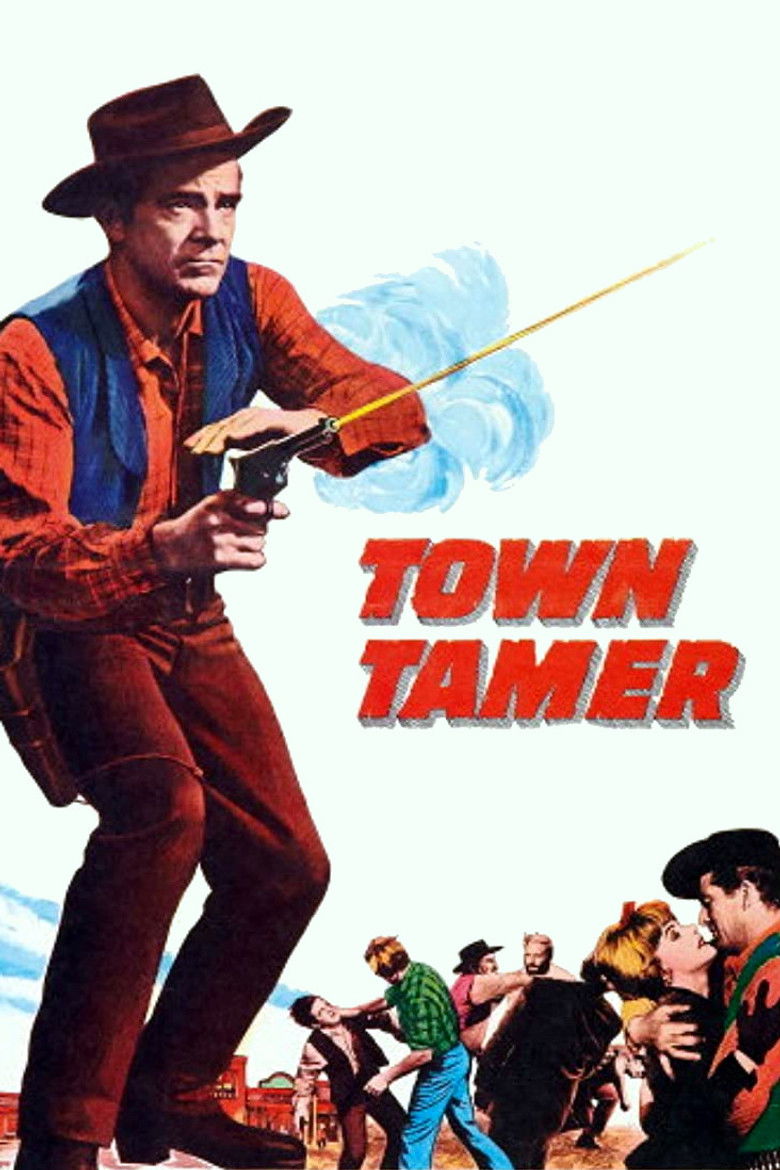
1965
NRDirector
Lesley Selander
Runtime
89 minutes
Average Rating
No ratings yetSynopsis
A gunfighter is hired to clean up a wild frontier town, but there are forces afoot who want to keep the town as wide-open as it is. Lyle Bettger, Bruce Cabot and Richard Jaeckel co-star as the lawless bad guys in this Western based on a novel by Frank Gruber.
Overall Score
Limited
Category Breakdown
LGBTQ+ Representation
The film operates within the standard gender and orientation frameworks of 1965. There is no evidence of LGBTQ+ characters or narratives that critique heteronormativity.
Gender Representation
The narrative focuses on masculine conflict and the establishment of law. Roles like the gunfighter and lawless bad guys reinforce traditional patriarchal leadership structures.
Racial & Ethnic Diversity
Set in a wild frontier town, the film likely adheres to the homogeneous casting norms of the period. It lacks evidence of characters of color with high agency.
Religious & Cultural Diversity
The plot promotes law, order, and institutional stability. It supports traditional values of justice rather than offering critiques through moral relativism or secularist themes.
Disability Representation
There is no mention of characters with visible or invisible disabilities. No assessment can be made regarding the agency or portrayal of such individuals.
Strengths
Areas for Improvement
AI Analysis
Town Tamer is a traditional mid-century Western that adheres strictly to established genre conventions. The narrative architecture prioritizes masculine archetypes and the enforcement of social order, reinforcing the power dynamics typical of 1960s cinema. The film lacks intentionality regarding intersectional representation. It functions as a standard genre piece that maintains the era's social hierarchies rather than subverting them. Because the film focuses on a linear hero-versus-villain conflict, it misses opportunities to include diverse perspectives or non-traditional identities.
1950
2009
1951
1943

1935
1953
1954
1958
1917
1948

1980
1970
No reviews yet. Be the first to share your thoughts on this movie!
Use the rating form above to leave a star rating and optional review.