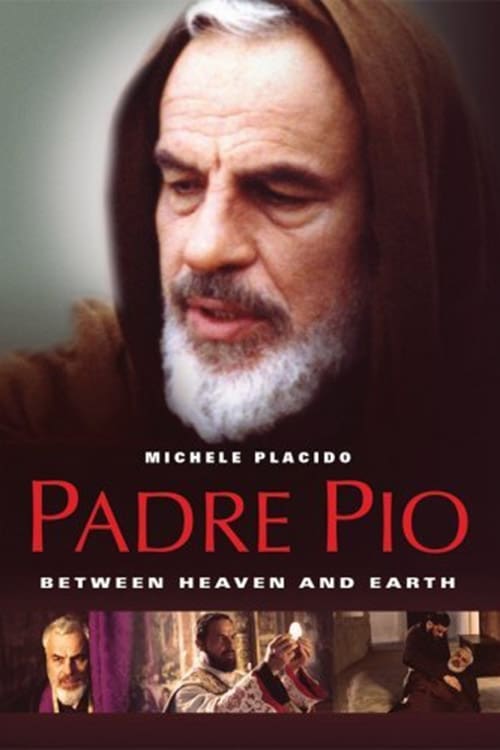
Padre Pio: Between Heaven and Earth
2000
No user ratings available yet
Representation score: 1.9 out of 10
Representation Score
Minimal
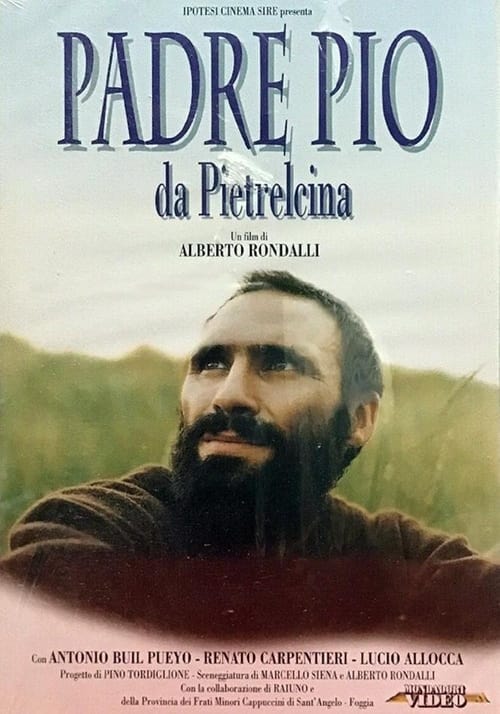
1997
Director
Alberto Rondalli
Average Rating
No ratings yetNew Showbiz Analysis
This biographical hagiography prioritizes historical and theological accuracy over social critique. The film upholds traditional religious and patriarchal hierarchies without challenging them. By focusing on the specific cultural context of rural Italy, it avoids complex intersections of identity and instead offers a cohesive, faith-based perspective. Ultimately, the film serves to reinforce institutional traditions and presents religious authority as stabilizing without engaging much with contemporary social critiques or diverse identity narratives.
Category Breakdown
The film does not include any queer narratives or non-straight identities. It strictly follows the traditional religious structures of the time.
The story focuses mainly on male spiritual experiences and the patriarchal Church hierarchy. Female characters play minor roles and are not central to the main theological discussions.
Casting reflects the ethnic makeup of rural Italy in the early 20th century. The film presents a culturally uniform environment without intentionally mixing demographics.
The storyline is deeply rooted in Catholic doctrine and traditional Western morality. It emphasizes established religious institutions rather than offering secular or critical viewpoints.
The plot centers on the miraculous appearance of the stigmata. This portrayal focuses on the miraculous aspect rather than exploring disability as a lived experience.
Present on Screen
Limited or Absent
2000
1950
2006
2005
1989
2003
1944
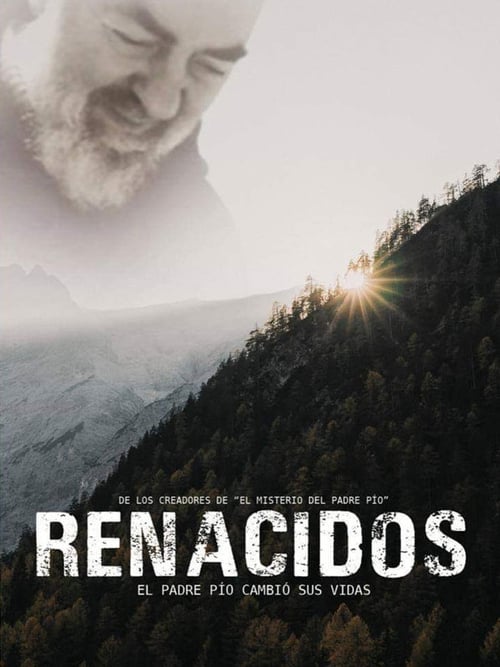
2019
No reviews yet. Be the first to share your thoughts on this movie!
Use the rating form above to leave a star rating and optional review.