
Wrong-doers
1979
No user ratings available yet
Representation score: 5.3 out of 10
Representation Score
Limited
1976
Director
György Szomjas
Runtime
90 minutes
Average Rating
No ratings yetNew Showbiz Analysis
The film reimagines the Western mythos by moving beyond typical hero clichés to examine the tension between individual actions and larger societal structures. By focusing on the struggles of the Hungarian Great Plains, it offers a unique cultural perspective. However, the film lacks contemporary multi-layered markers. The story is dominated by masculine conflict, and there is no representation of LGBTQ+ or disabled characters. Ultimately, the film's strength lies in its critique of the 'civilizing' mission, portraying modernity and legal order as potentially oppressive forces against traditional, communal ways of life.
Category Breakdown
The film does not include any queer narratives or non-straight identities. It adheres to the social norms of its 19th-century setting.
The story focuses on a conflict between a male outlaw and a lawman, emphasizing masculine roles. Female characters may exist, but the main drivers of the story are male.
The film explores Hungarian culture and identity, avoiding the white-centric norms of Hollywood by centering a non-Anglo-Saxon ethnic experience.
The narrative critiques centralized authority by portraying the outlaw as a figure supported by underrepresented herdsmen. It examines the tension between tradition and modern legal systems.
There is no indication of characters with physical or neurodivergent disabilities.
Present on Screen
Limited or Absent
Official Synopsis
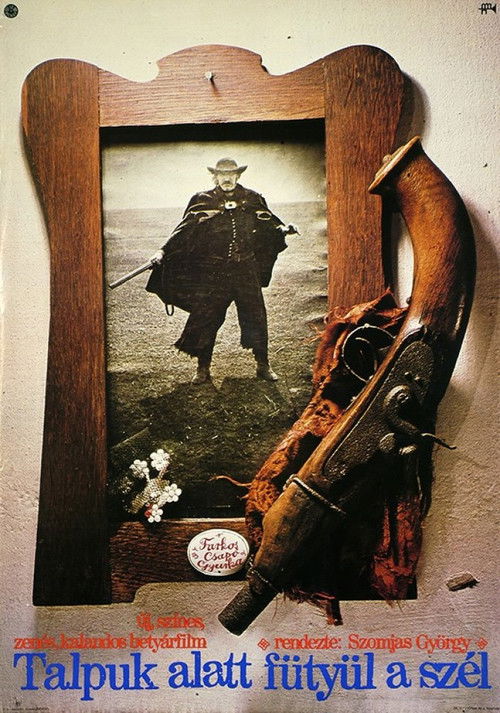
In the 1830s, legendary outlaw Farkos Csapó Gyurka escapes from prison and returns to the Hungarian Great Plain to avenge his betrayal and reclaim his dominance over the puszta. While the local impoverished herdsmen protect him, a determined peace officer relentlessly hunts the bandit to establish modern legal order.
1979
1952
1967
1971
1969

1980

1960

1939
No reviews yet. Be the first to share your thoughts on this movie!
Use the rating form above to leave a star rating and optional review.