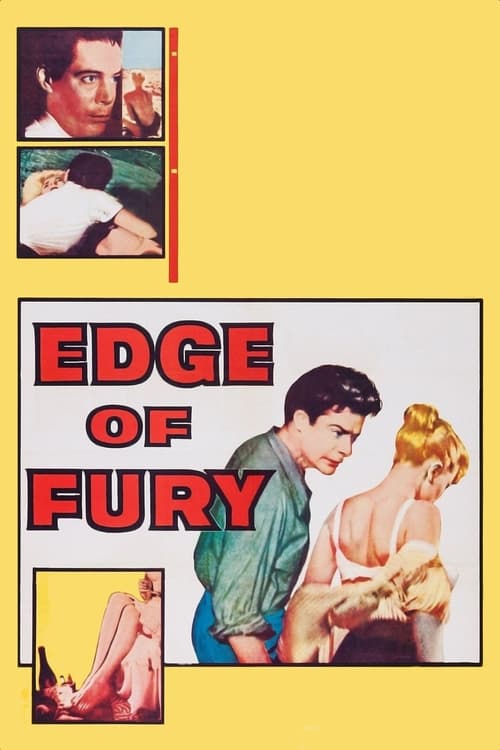
Edge of Fury
1958
No user ratings available yet
Representation score: 2.4 out of 10
Representation Score
Minimal
1962
Not RatedDirector
Pat Jackson
Runtime
65 minutes
Average Rating
No ratings yetNew Showbiz Analysis
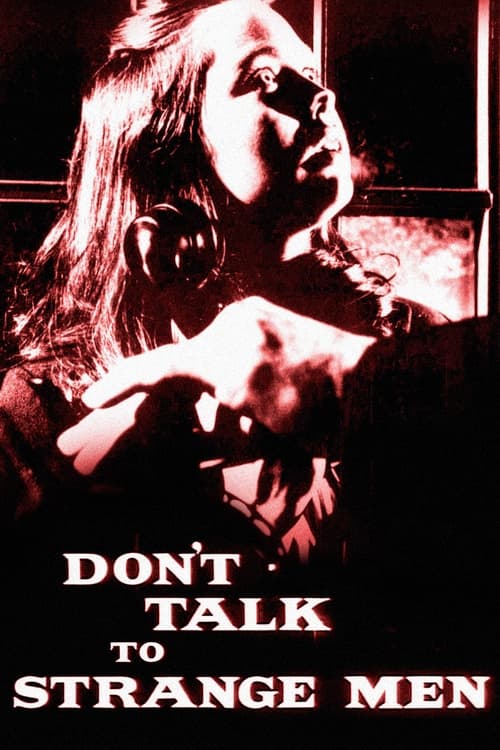
Don't Talk to Strange Men functions as a conventional 1960s thriller. The narrative structure prioritizes suspense centered on individual vulnerability rather than exploring overlapping identities or challenging social hierarchies. The film adheres to standard genre clichés of its era, focusing on a singular protagonist navigating a threat from an anonymous antagonist. This approach lacks the hallmarks of progressive storytelling. Ultimately, the work reinforces traditional social anxieties rather than offering a diverse or subversive perspective.
Category Breakdown
The film does not include any characters with non-binary genders or same-sex relationships. The plot revolves around a traditional predator-victim dynamic.
The story uses a 'damsel in distress' framework where the female character is defined by her innocence and her potential vulnerability to a male aggressor.
There is no information about the racial or ethnic makeup of the cast. The premise does not suggest any inclusion of diverse ethnic perspectives.
The premise aligns with mid-century cautionary storytelling focused on domestic safety. It lacks any critique or deconstruction of Western institutions.
The context contains no mention of characters dealing with physical, sensory, or neurodivergent experiences.
Present on Screen
Limited or Absent
Official Synopsis
An innocent girl is "groomed" over the telephone, and nearly becomes the victim of an attacker.
1958

1960

1960
1964

1986

1975

1958

1962
No reviews yet. Be the first to share your thoughts on this movie!
Use the rating form above to leave a star rating and optional review.