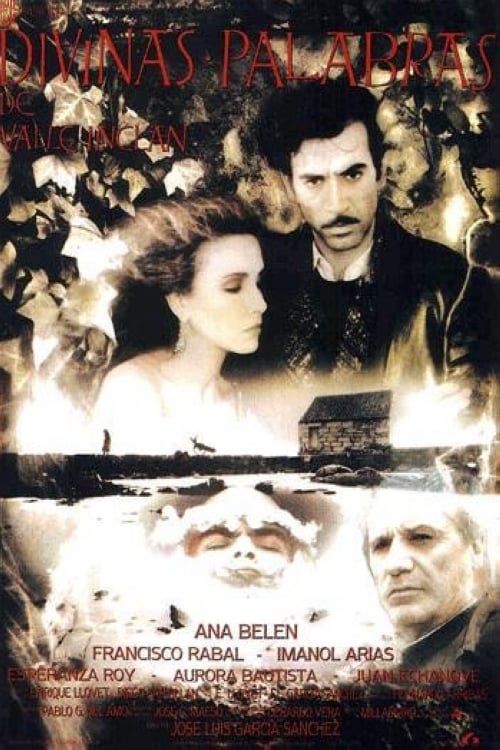
Divine Words
1987
No user ratings available yet
Diversity score: 5.1 out of 10
1978
Director
Juan Ibáñez
Runtime
100 minutes
Average Rating
No ratings yetSynopsis
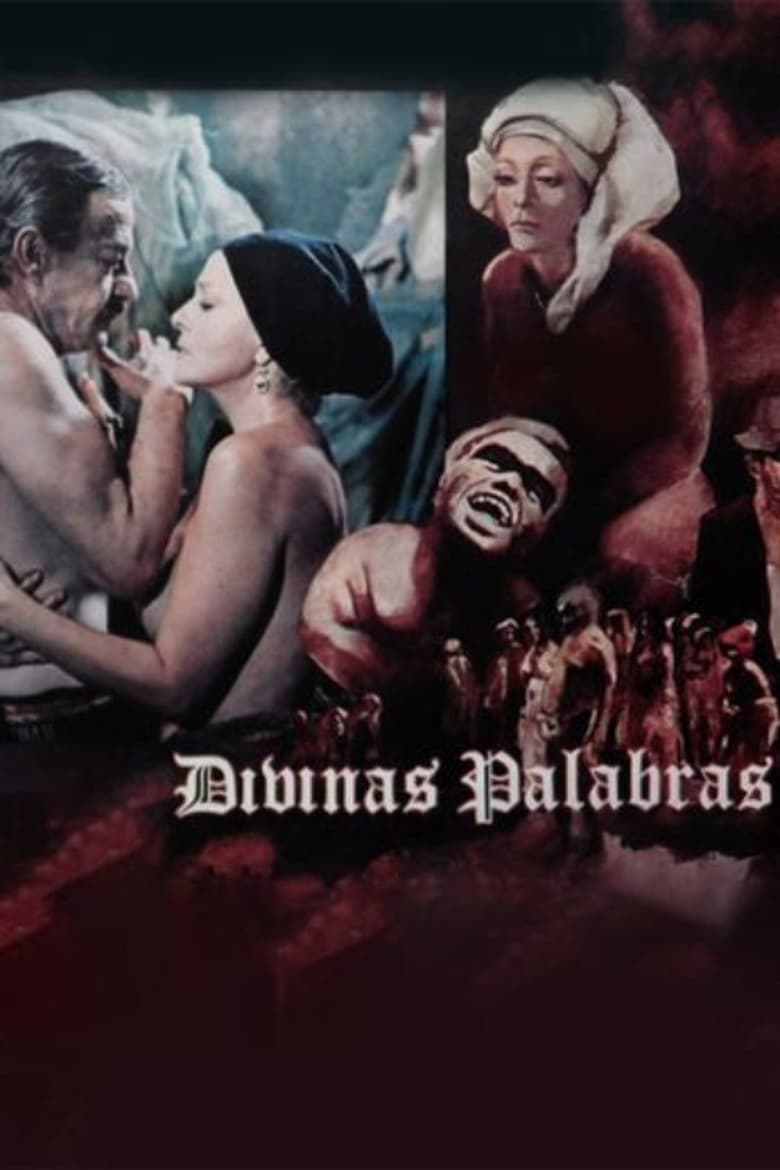
Mari Gaila (Silvia Pinal), is an adulteress who lives between ragged, thieves, prostitutes, dwarfs and other misshapen beings, in a rare box at a country and a vague time. Her husband, is a poor sacristan who agrees with other relatives to do business with the display of his orphaned nephew, a mentally retarded dwarf. Caught in committing adultery with her lover, Mari Gaila is caged naked and punished by the people.
Overall Score
Fair
Category Breakdown
LGBTQ+ Representation
The film lacks explicit LGBTQ+ characters or non-heteronormative identities. While the central adultery challenges marital norms, it does not address queer identity.
Gender Representation
Mari Gaila acts as a transgressive agent by disrupting domestic hierarchies through infidelity. However, her eventual punishment suggests a return to traditional gendered social orders.
Racial & Ethnic Diversity
The narrative focuses on socio-economic stratification among marginalized groups. There is no evidence of intentional racial diversity or non-white casting.
Religious & Cultural Diversity
The film critiques religious and familial institutions by portraying a sacristan involved in exploitation. It centers on social outcasts living on the fringes of society.
Disability Representation
Characters with disabilities are present but appear to be used as objects of exploitation. They lack individual agency and serve primarily as plot devices.
Strengths
Areas for Improvement
AI Analysis
Divine Words explores a world of social outcasts, using transgressive themes to critique traditional morality. It succeeds in subverting the 'virtuous wife' trope through its protagonist's agency, yet fails to provide meaningful representation for marginalized identities. The film's strength lies in its focus on the fringes of society and its critique of religious institutions. However, it relies on the exploitation of disabled characters and lacks any significant LGBTQ+ or racial diversity. Ultimately, the work functions more as a study of social dysfunction and the grotesque than as a progressive exploration of intersectional identities.
1987
1966
2013
1983
1960
1970
2016
1978
2009

2007
1973
1978
No reviews yet. Be the first to share your thoughts on this movie!
Use the rating form above to leave a star rating and optional review.