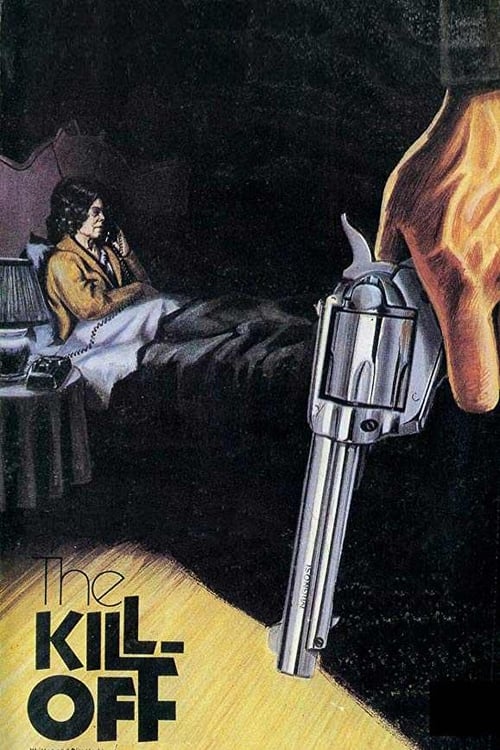
The Kill-Off
1989
No user ratings available yet
Representation score: 4.1 out of 10

Representation Score
Fair
1997
Director
Jez Butterworth
Runtime
90 minutes
Average Rating
No ratings yetNew Showbiz Analysis
Mojo is a character-driven study of volatility that challenges mid-century social and moral hierarchies. It succeeds in disrupting conventional expectations through its emphasis on moral ambiguity and the deconstruction of traditional masculine authority. However, the film lacks broad demographic breadth. The narrative operates within the social constraints of its era, resulting in a homogeneous cast and a lack of diverse representation. Ultimately, the film's strength lies in its subversion of social structures rather than its demographic inclusivity.
Category Breakdown
The film examines unconventional desires and sexual rivalries set in the 1950s. However, these themes primarily fuel conflict rather than serving as central explorations of identity.
Masculine volatility and the destabilization of authority drive the plot. Despite critiquing traditional leadership, the film lacks female characters who significantly influence the narrative.
The story focuses on a relatively homogeneous social environment in 1950s Britain. There is no indication of a non-Anglo-Saxon majority cast or intentional race-bent casting.
The narrative excels at critiquing traditional institutions and the stability of the family unit. It portrays social order as something easily disrupted by individual impulses and chaos.
There are no prominent depictions of visible or invisible disabilities that serve as central character arcs or drive the narrative.
Present on Screen
Limited or Absent
Official Synopsis
The sexual rivalries over a new, potentially great rock'n'roll singer between a nightclub owner and a local gangster cause unrest and eventually lead to murder.
1989
1970

1986

1987
1986
1972
1970

1969
No reviews yet. Be the first to share your thoughts on this movie!
Use the rating form above to leave a star rating and optional review.