
Amazona
2016
No user ratings available yet
Representation score: 6.7 out of 10
Representation Score
Good
2015
RDirector
Anne Sundberg, Ricki Stern
Runtime
93 minutes
Average Rating
No ratings yetNew Showbiz Analysis
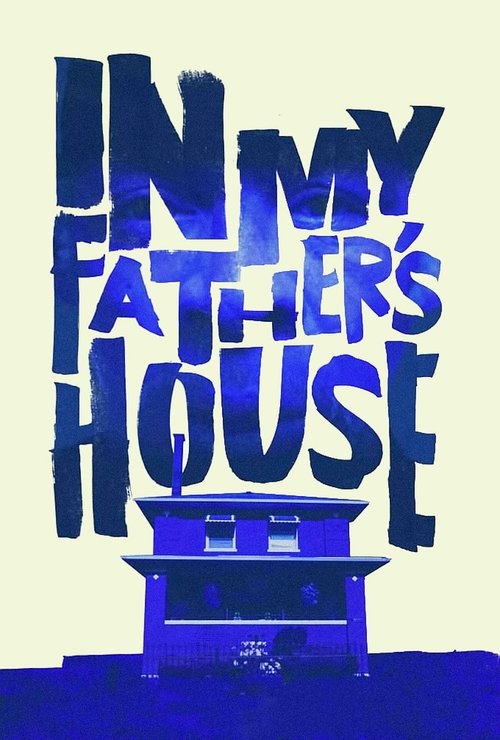
My Father’s House is a powerful exploration of identity and legacy within the African-American community. The film excels by focusing on the experiences of actively leading Black protagonists and their personal histories. It navigates broader systemic and racial discourses effectively. By avoiding polished biographical clichés, the film offers a raw and honest look at how socioeconomic struggles shape family structures. The film dismantles traditional patriarchal and familial norms, offering a more fluid and restorative model of kinship. While the film does not include LGBTQ+ representation and focuses primarily on racial and paternal themes, it provides a nuanced and humanized portrayal of masculinity and addiction.
Category Breakdown
The film does not focus on LGBTQ+ identities or non-assuming gender matches what was assigned at birth gender narratives. The primary thematic focus remains on paternal lineage and racial identity.
The film presents a father figure who is portrayed as emotionally vulnerable, challenging the typical image of a strong, unyielding man. This portrayal adds complexity to the understanding of masculinity.
The film centers on the African-American experience, delving into the lives of individuals two generations after slavery. It highlights the systemic issues faced by Black families through the stories of actively leading protagonists.
The documentary examines the urban landscape and its instability, presenting these issues as systemic problems rather than moral failures. It critiques traditional Western social structures in a sophisticated manner.
The film provides a candid depiction of the realities of addiction. Brian’s struggle with alcoholism is handled with humanization, avoiding common clichés that use substance abuse as mere tragedy.
Present on Screen
Limited or Absent
Official Synopsis
IN MY FATHER'S HOUSE explores identity and legacy in the African-American family, as Grammy award-winning rapper Che 'Rhymefest' Smith and his long-lost father reconnect and try to build a new future in Chicago's turbulent South Side. Himself a child of a broken home, Che hasn't seen his father, Brian, in over 20 years, and presumes him dead. But after buying his father's childhood home, Che sets out to find him, and learns that his is now a homeless alcoholic living only several blocks away/ The film offers a probing take on memory and identity in a family two generations removed from slavery as it tracks Che and Brian's shared journey to create a new legacy for themselves, their community and the next generation of family.
2016

2020
2017
2018
1996
2015
2009

2017
No reviews yet. Be the first to share your thoughts on this movie!
Use the rating form above to leave a star rating and optional review.