
Jane by Charlotte
2022
No user ratings available yet
Representation score: 5.9 out of 10
Representation Score
Good
2016
Director
Clare Weiskopf
Runtime
82 minutes
Average Rating
No ratings yetNew Showbiz Analysis
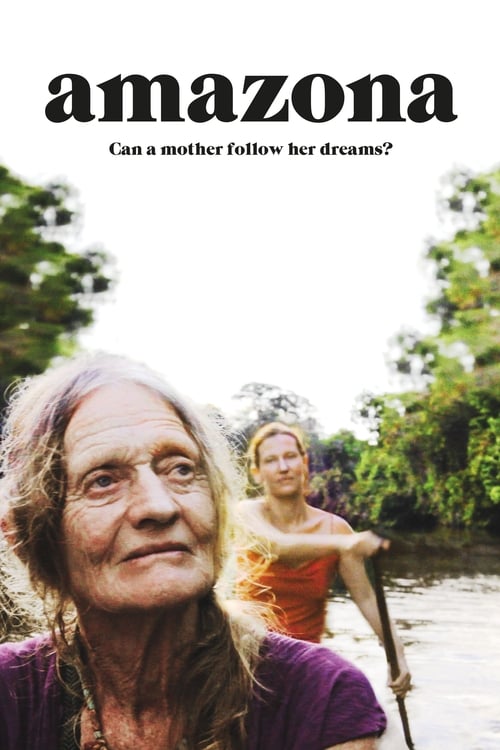
Amazona is a sophisticated deconstruction of the nuclear family. It succeeds by refusing to adhere to traditional moral frameworks regarding parental duty, instead celebrating individual choices and the fluidity of identity. The film's strength lies in its disruption of the 'mother' archetype. By focusing on a woman's quest for self-identity in the Colombian jungle, it challenges the social imperatives typically placed on women. While the setting provides a non-Western perspective, the narrative remains deeply focused on the interpersonal dynamics and the emotional wounds of the central figures.
Category Breakdown
The film explores identity through a non-traditional lens, focusing on the search for self outside societal expectations. While specific LGBTQ identities are not explicitly confirmed, the narrative suggests a departure from the assumption that everyone is straight or cisgender.
The story disrupts traditional gender hierarchies by centering on a woman who chooses self-actualization over conventional motherhood. It challenges the archetype of the nurturing mother, framing it as a subjective and evolving construct.
Set in the Colombian jungle, the film utilizes a non-Western setting to explore identity. This geographical context provides a vital departure from Anglo-centric domesticity and social structures.
The film prioritizes individual liberation over traditional Western institutional values. It portrays the family unit as a site of fracture and trauma rather than a source of inherent stability.
There is no specific evidence regarding the portrayal of physical or neurodivergent disabilities within the narrative.
Present on Screen
Limited or Absent
Official Synopsis
This is the story of Val and Clare: a mother and a daughter. After the tragic death of her eldest daughter, Val left her kids and family behind and escaped into the Colombian jungle in order to search for her identity. Clare was only 11 years old when her mother left and couldn't understand what she was looking for. A son who became an addict, three break-ups and a fractured family remained behind. Now Clare is pregnant and decides to confront her mother, heal the wounds of the past and try to define motherhood on her own terms. Together they go on an intimate journey exploring the boundaries between responsibility and freedom, the power of love and the meaning of family.
2022
2023
2017
2020
2019

2016

2014
2015
No reviews yet. Be the first to share your thoughts on this movie!
Use the rating form above to leave a star rating and optional review.