
Sky Racket
1937
No user ratings available yet
Representation score: 1.0 out of 10
Representation Score
Minimal
1934
PassedDirector
Lew Landers
Runtime
242 minutes
Average Rating
No ratings yetNew Showbiz Analysis
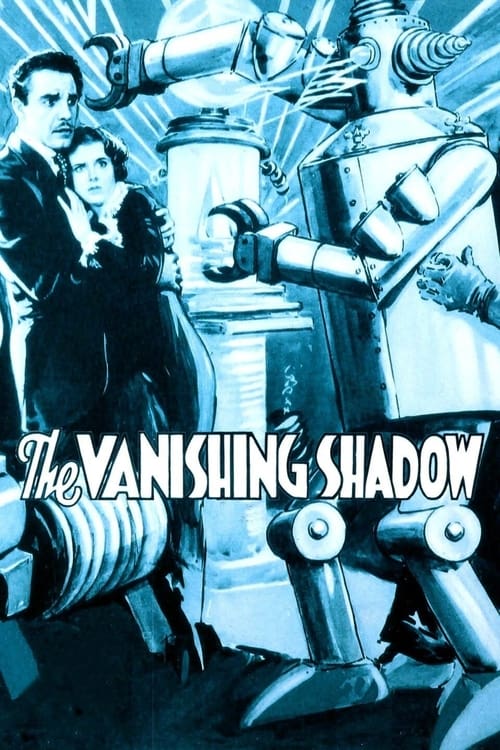
The Vanishing Shadow is a typical 1930s science fiction serial that emphasizes technological marvels and personal revenge over diverse character development. The narrative centers on a male protagonist seeking justice for his father, reinforcing traditional patriarchal themes. While the film includes a critique of political corruption, it does not delve into complex social identities. Instead, it focuses on the hero's use of gadgets like ray guns and robots. Overall, the work lacks nuanced representation of gender, race, or disability, functioning mainly as an action-oriented serial of its time.
Category Breakdown
The serial follows a straightforward revenge storyline without any representation of non-straight or non-cisgender identities or same-sex relationships.
The story revolves around a male protagonist driven by a sense of family legacy, reinforcing traditional gender roles without challenging them.
The narrative adheres to the typical racial demographics of 1930s serials, lacking characters of color or those representing non-Anglo-Saxon backgrounds.
The film critiques corrupt politicians but frames the pursuit of justice through individual vengeance rather than community-based reform.
The plot does not include characters dealing with physical, sensory, or neurodivergent conditions, nor does it use disability as a narrative element.
Present on Screen
Limited or Absent
Official Synopsis
A 12-episode serial in which a son avenges the death of his father at the hands of corrupt politicians. He develops a wide variety of complex devices in his crusade . . . ray guns, robots and a 'vanishing belt.'
1937
1936
1937
1954
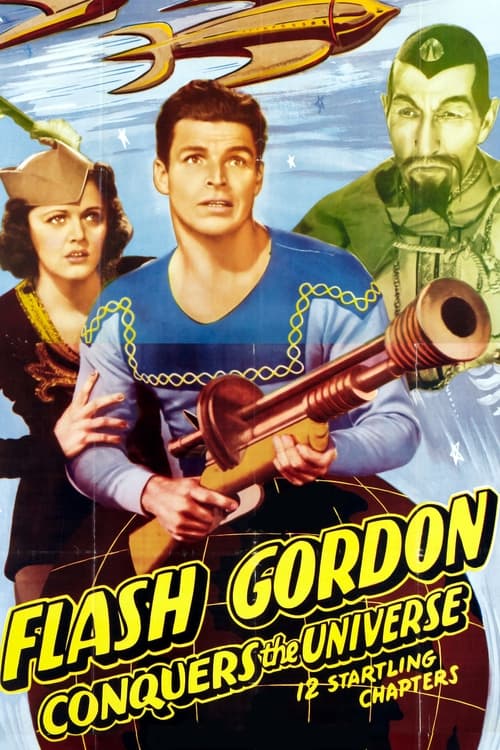
1940
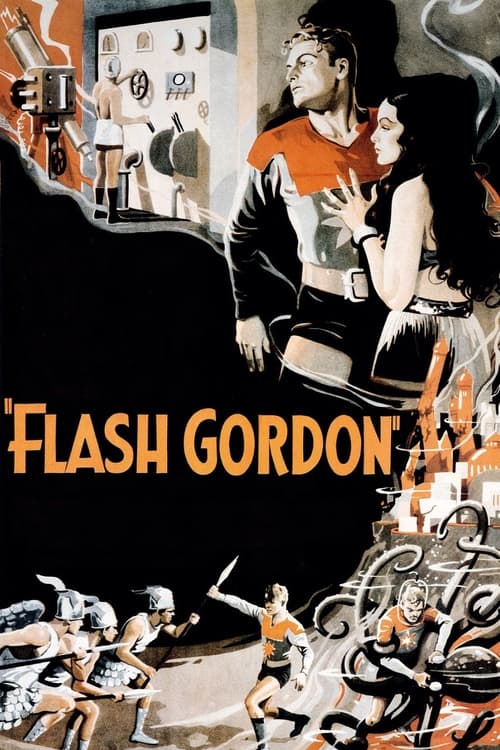
1936
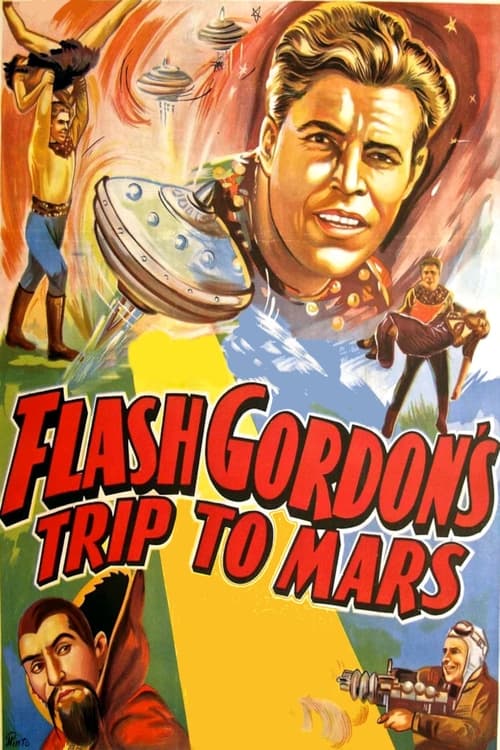
1938
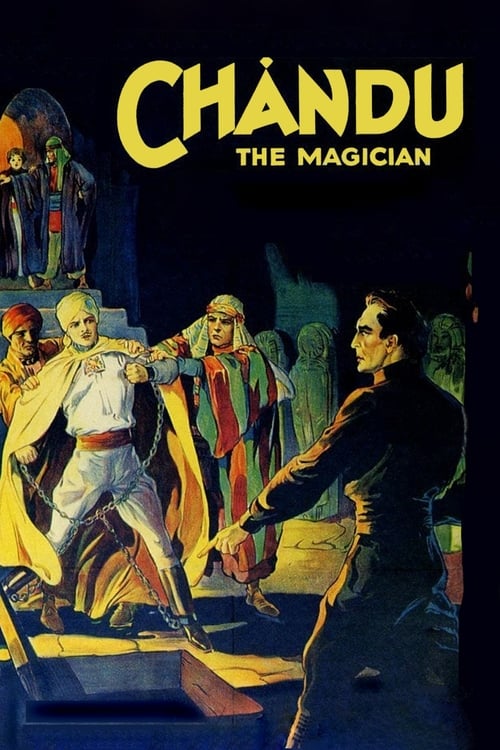
1932
No reviews yet. Be the first to share your thoughts on this movie!
Use the rating form above to leave a star rating and optional review.