The Shadow
1940
No user ratings available yet
Representation score: 0.3 out of 10
Representation Score
Minimal
1932
ApprovedDirector
William Cameron Menzies, Marcel Varnel
Runtime
71 minutes
Average Rating
No ratings yetNew Showbiz Analysis
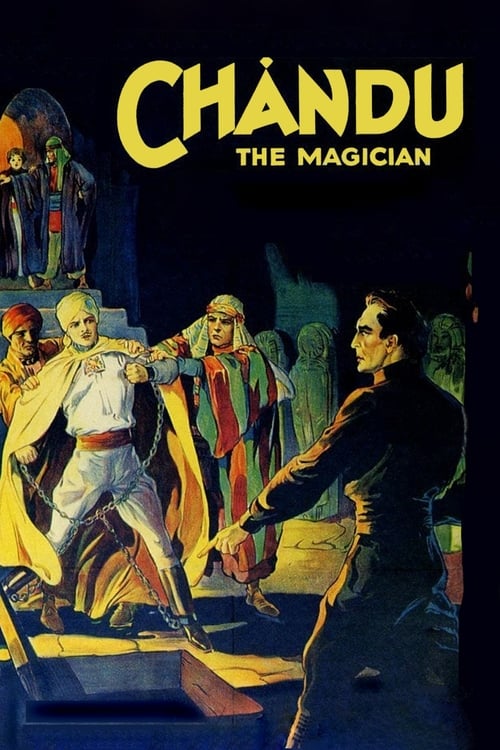
Chandu the Magician is a product of early 1930s Hollywood, emphasizing spectacle and traditional adventure over diverse storytelling. The narrative relies on the era's tendency to exoticize non-Western settings to serve a standard hero-versus-villain dynamic. While the protagonist is an Indian yogi, the film presents a theatrical, idealized version of India that serves as a backdrop for Western adventure. It lacks the intentionality to challenge established social hierarchies, reinforcing conventional romantic structures and gender roles typical of its time.
Category Breakdown
The film focuses on traditional courtship and does not depict any non-assuming gender matches what was assigned at birth identities or same-sex relationships.
The film maintains traditional gender hierarchies, with the male protagonist driving the narrative. The female lead is central to the romance but lacks autonomy.
The film uses an exoticized, Westernized version of India as a theatrical backdrop for adventure, rather than offering authentic ethnic representation.
Cultural elements are stylized and mythic, with the film prioritizing a Western adventure framework over nuanced engagement with Eastern traditions.
There is no portrayal of physical or neurodivergent disabilities as central narrative elements.
Present on Screen
Limited or Absent
Official Synopsis
When delusional madman Roxor kidnaps a scientist in hopes of using his death ray to achieve world dominance, he is opposed by Chandu, a powerful hypnotist and yogi.
1940
1965
1939
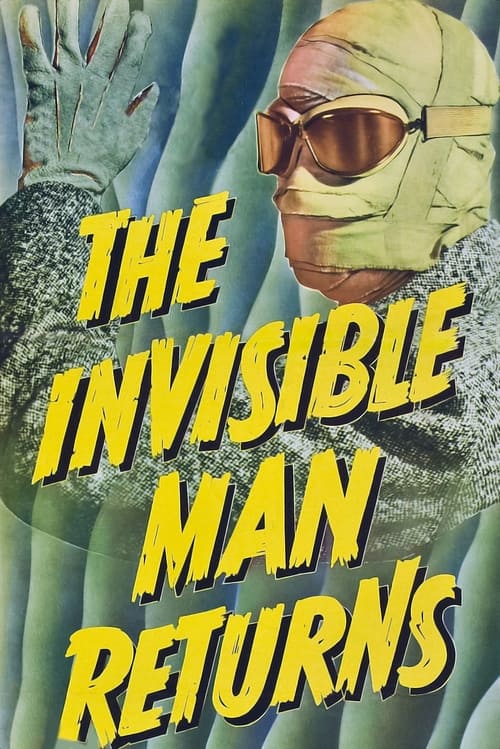
1940
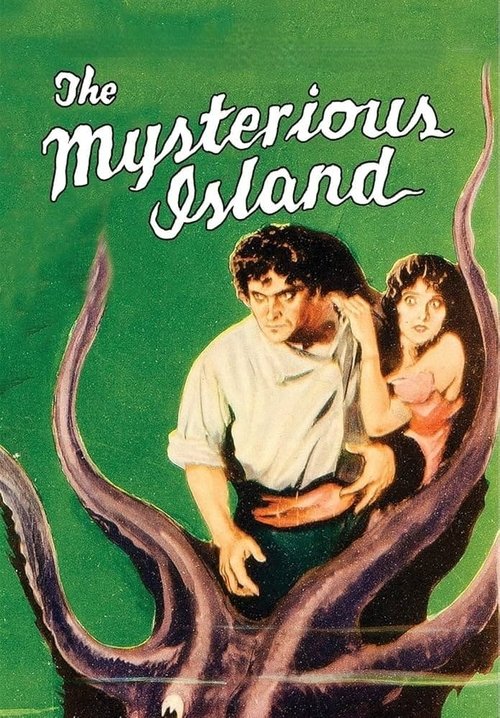
1929
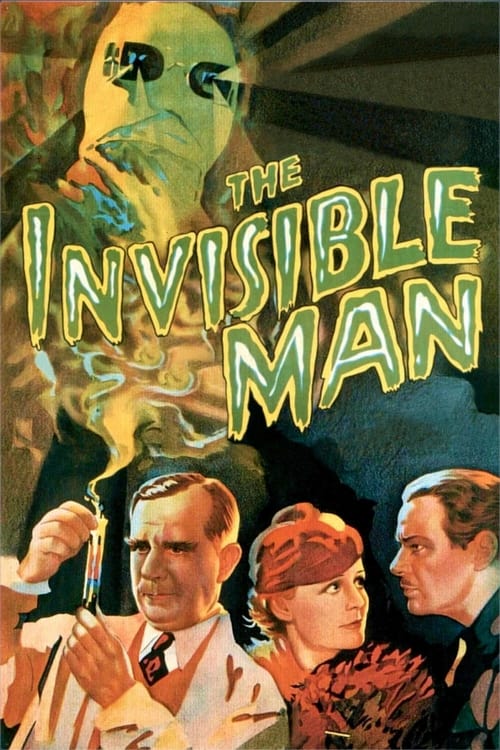
1933
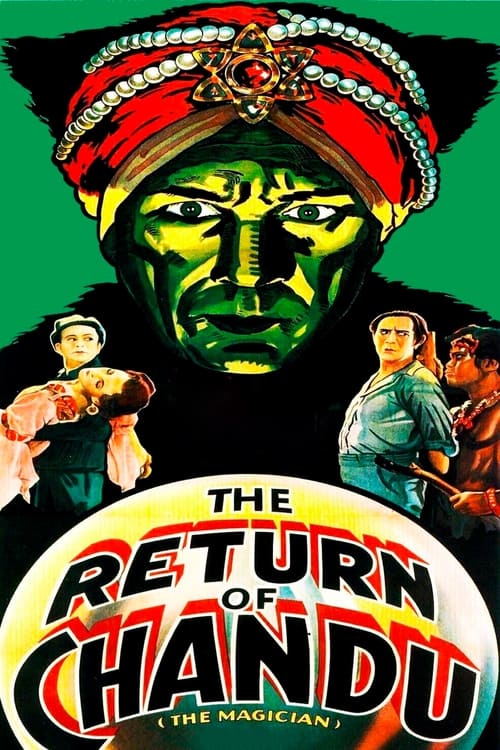
1934
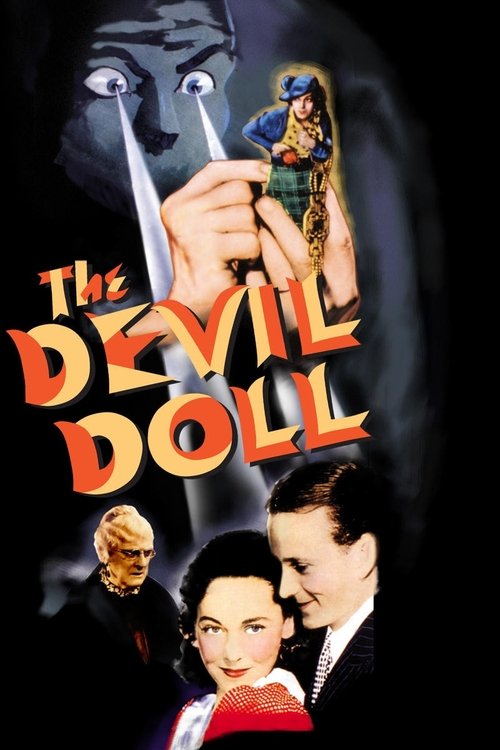
1936
No reviews yet. Be the first to share your thoughts on this movie!
Use the rating form above to leave a star rating and optional review.