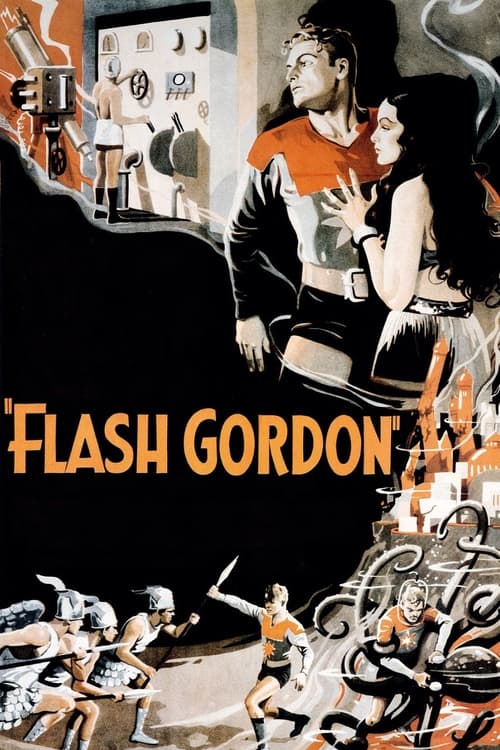
Flash Gordon
1936
No user ratings available yet
Representation score: 0.4 out of 10
Representation Score
Minimal
1938
NRDirector
Ford Beebe, Robert F. Hill
Runtime
229 minutes
Average Rating
No ratings yetNew Showbiz Analysis
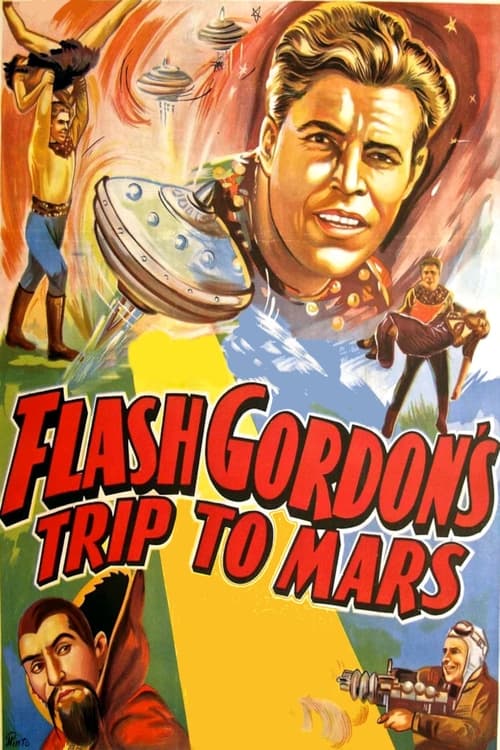
Flash Gordon's Trip to Mars serves as a quintessential example of 1930s adventure serials. The film prioritizes escapist action and formulaic clichés over social complexity, reinforcing existing social hierarchies without challenging them. The production centers on traditional archetypes, emphasizing power and physical prowess in the male lead. Female characters like Queen Azura hold positions of authority but are framed as antagonists. Ultimately, the film lacks intentionality regarding diversity. It operates within a Western-centric framework that emphasizes clear moral binaries and homogeneous casting, typical of the early Hollywood era.
Category Breakdown
The film does not include any LGBTQ+ characters or non-straight relationships. It focuses on a male hero and a female love interest, aligning with the era's standard heterosexual norms.
The male protagonist holds the majority of the narrative's ability to act, following traditional adventure stories. Although Queen Azura is a powerful female character, she is portrayed mainly as an antagonist to the hero.
The film features a homogeneous cast, reflecting the lack of racial or ethnic diversity typical of productions from the late 1930s.
The narrative emphasizes Western-centric perspectives and moral binaries. It highlights the protection of Earth from external threats through individualistic, heroic leadership.
There is no confirmed information about the portrayal of neurodivergence or physical disabilities. During this period of cinema, such traits were rarely explored with ability to act.
Present on Screen
Limited or Absent
Official Synopsis
When a deadly Nitron ray strikes Earth, Flash Gordon and his friends travel to Mars to battle Ming the Merciless and his new ally Queen Azura.
1936
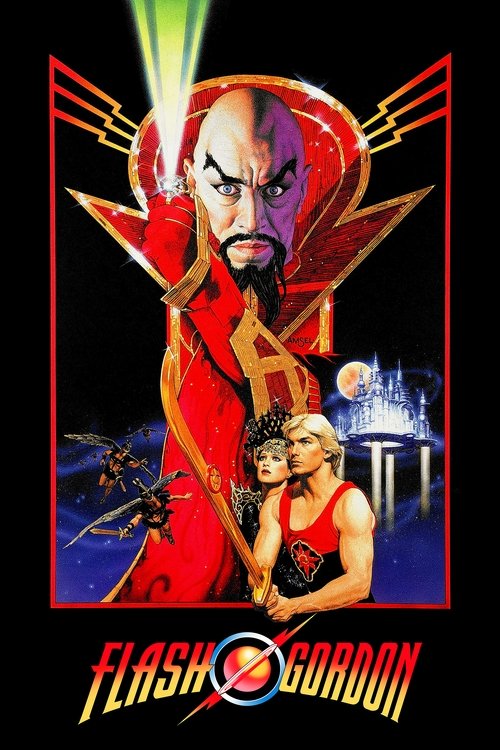
1980
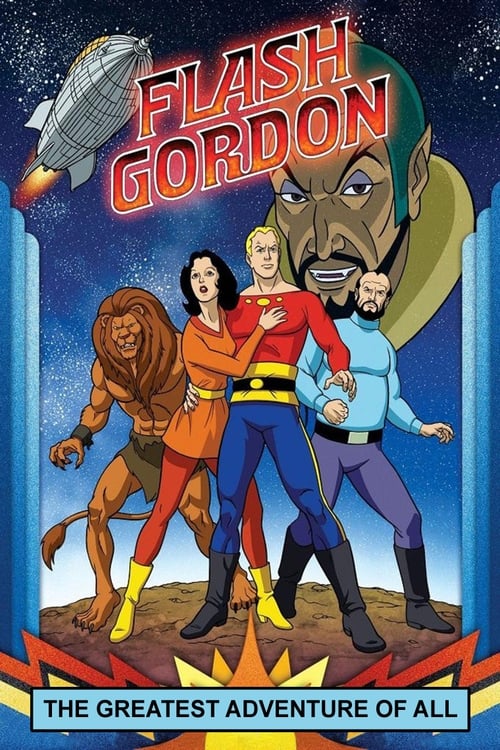
1982

1953

1951
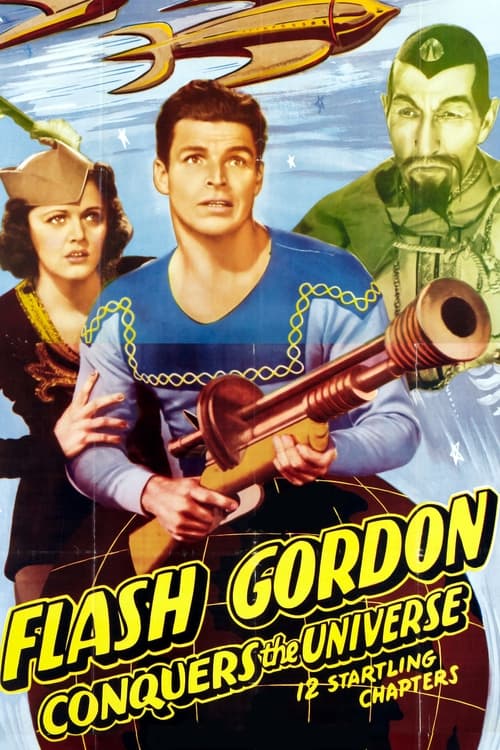
1940

1969
1961
No reviews yet. Be the first to share your thoughts on this movie!
Use the rating form above to leave a star rating and optional review.