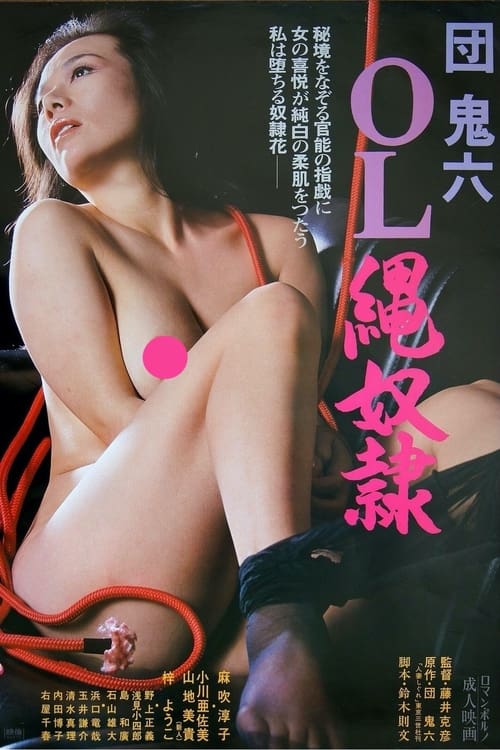
Office Lady Rope Slave
1981
No user ratings available yet
Representation score: 3.1 out of 10
Representation Score
Good
1982
Director
Katsuhiko Fujii
Runtime
68 minutes
Average Rating
No ratings yetNew Showbiz Analysis
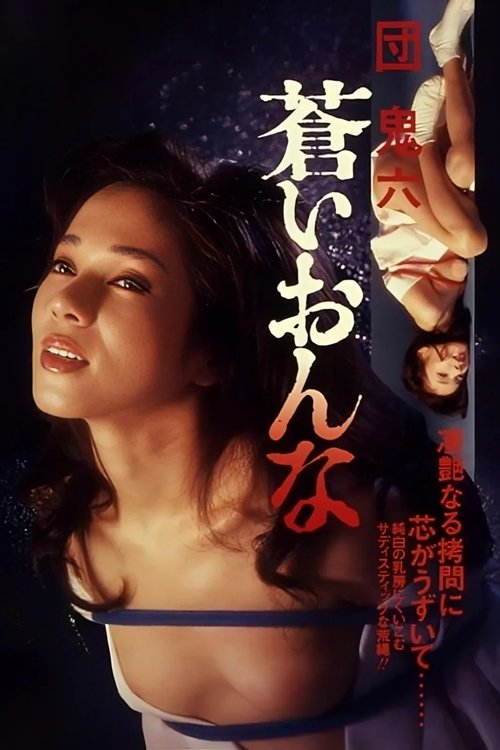
Blue Woman is a transgressive drama that uses non-traditional domestic structures to challenge social taboos. By centering a marriage involving a gay husband, the film disrupts conventional expectations of stability, though it uses this identity more as a narrative device than for character study. The film's critique of traditional family institutions is sharp, portraying the husband's parents as architects of a punitive system. This subversion of the 'ideal family' provides a dark commentary on social morality and the oppressive nature of domestic hierarchies. However, the film's exploration of gender and identity is heavily tied to themes of punishment. The subversion of roles often leads to extreme corrective measures, framing autonomy as a transgression that requires systemic discipline.
Category Breakdown
The film focuses on a marriage involving a gay husband, which deviates from traditional family structures. However, his identity mainly serves as a plot device for infidelity rather than a deep exploration of LGBTQ+ experiences.
The narrative explores subverted gender roles through a lens of punitive retribution. Female characters exhibit ability to act through infidelity but face severe corrective measures from the husband's family.
The production features a homogeneous cast typical of 1982 Japanese regional cinema. There is no evidence of diverse ethnic representation or multi-layered casting.
The story critiques the sanctity of marriage and traditional family ideals. It portrays the family unit as a source of systemic cruelty, using non-traditional sexual dynamics to challenge established social morality.
There is no evidence of characters with visible or invisible disabilities. The film does not address disability representation within its narrative.
Present on Screen
Limited or Absent
Official Synopsis
A frustrated wife who is married to a gay husband has an affair with another man. But she is set up by the husband’s parents who hire a dominatrix and a SM specialist to deal with her infidelity in a rather harsh and pervered manner.
1981

1978

1987

1984
1967
1987

1985

1991
No reviews yet. Be the first to share your thoughts on this movie!
Use the rating form above to leave a star rating and optional review.