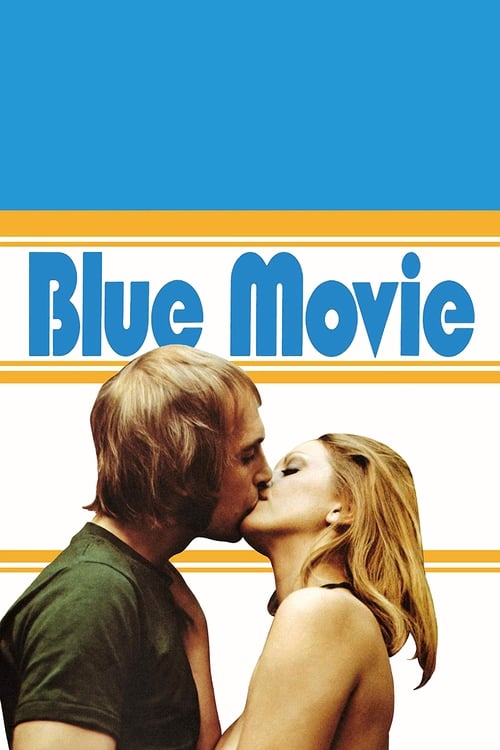
Blue Movie
1971
No user ratings available yet
Diversity score: 5.1 out of 10

1970
NC-17Director
Robert J. Anderson
Runtime
80 minutes
Average Rating
No ratings yetSynopsis
Seventeen-year old Cindy is in awe of big sister, Donna’s sexual exploits, but she just doesn’t get it. Whether she’s spying on Donna, parked and “makin’ it” in the driveway with her boyfriend, or watching her bang dear ol’ stepdad, Cindy is curious but timid. But “don’t be afraid, Cindy” instructs the dreamy, ballady, canned-cheese 70s soundtrack, as Cindy inches her way toward womanhood.
Overall Score
Fair
Category Breakdown
LGBTQ+ Representation
The film explores sexual experimentation and adolescent autonomy. However, there is no explicit evidence of queer identity or non-heteronormative expression within the narrative.
Gender Representation
The story centers on female agency, portraying the daughters as the primary drivers of their own lives. This subverts traditional tropes of female passivity and disrupts gendered authority roles.
Racial & Ethnic Diversity
Set in a middle-class environment, the film appears to operate within a traditional, likely homogeneous Anglo-Saxon demographic. There is no evidence of a diverse cast.
Religious & Cultural Diversity
The narrative critiques traditional Western social structures and the nuclear family. It replaces idealized domesticity with a more secular, subjective view of social organization and survival.
Disability Representation
The film contains no evidence of characters with physical or neurodivergent disabilities.
Strengths
Areas for Improvement
AI Analysis
Cindy and Donna functions as a gritty deconstruction of the mid-century nuclear family. By positioning adolescent protagonists as more emotionally mature than their substance-abusing parents, the film disrupts traditional hierarchies of age and authority. The film's strength lies in its subversion of social norms and its focus on female agency. It challenges the idealized Western family structure, replacing stability with a raw exploration of social friction and individual survival. However, the work lacks intersectional breadth. The focus on a middle-class setting suggests a lack of racial diversity, and the narrative provides no explicit representation of LGBTQ+ identities or disability.
1971
1977
1970
1971
1974
2002

1964
1970
1968
1976
2005
1970
No reviews yet. Be the first to share your thoughts on this movie!
Use the rating form above to leave a star rating and optional review.