Further Confessions of a Sixth Form Girl
1971
No user ratings available yet
Representation score: 4.2 out of 10
Representation Score
Fair
1970
Director
Ernst Hofbauer
Runtime
90 minutes
Average Rating
No ratings yetNew Showbiz Analysis
The film serves as a critique of social control in the context of mid-century Western families. It successfully challenges traditional gender hierarchies by giving adolescent girls a platform to discuss sexual autonomy. However, the film lacks broader diversity. Its representation is constrained by the demographic homogeneity of 1970s West Germany, resulting in limited LGBTQ+ and racial diversity. Overall, the film focuses on the tension between individual freedom and institutional morality, rather than being a diverse ensemble piece.
Category Breakdown
The film primarily explores heterosexual relationships among adolescents. There are no clear examples of LGBTQ+ narratives or non-binary identities.
The story challenges traditional gender roles by highlighting the perspectives of young women. Their discussions about sexual autonomy defy the patriarchal norms of the time.
The cast reflects the predominantly white demographics of 1970s West Germany. There is no indication of significant racial diversity or non-white majority casting.
The film questions traditional Western family structures and institutional oversight. It employs a mockumentary style to emphasize individual experiences over established norms.
There is no noticeable focus on characters with physical or neurodivergent disabilities in the film's narrative.
Present on Screen
Limited or Absent
Official Synopsis
Mockumentary about German schoolgirls openly talking about their scandalous sexual experiences. Some of these are illustrated through inserted vignettes. Also, a street reporter asks actual common folk about their views on sex.
1971
1972

1973

1972
1973
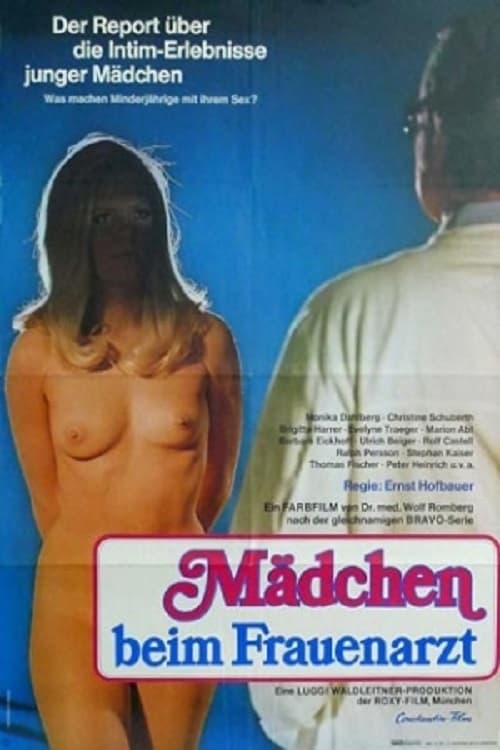
1971
1974
1978
No reviews yet. Be the first to share your thoughts on this movie!
Use the rating form above to leave a star rating and optional review.