
Birthplace
1992
No user ratings available yet
Representation score: 3.7 out of 10
Representation Score
Excellent
2021
Director
Mateusz Kudła, Anna Kokoszka-Romer
Runtime
70 minutes
Average Rating
No ratings yetNew Showbiz Analysis
The documentary serves as a vital piece of testimonial cinema, using personal memory to critique historical structures. Its primary strength lies in centering the perspectives of those underrepresented by the Nazi occupation. By focusing on the Kraków ghetto, the film explores the complexity of identity and systemic trauma. However, the narrative remains largely centered on the male experiences of the two subjects, limiting the exploration of gendered roles and diverse identity expressions within the historical context.
Category Breakdown
The film focuses on the shared wartime experiences of Polanski and Horowitz. There is no explicit depiction of LGBTQ+ identities or non-straight relationships.
The narrative follows a male-centric framework centered on the two protagonists. It lacks specific evidence regarding women's ability to drive the story or the exploration of gendered perspectives.
The film centers the lived experiences of Jewish individuals navigating Nazi oppression. This focus challenges dominant historical narratives through the lens of ethnic survival.
The documentary explores the collapse of societal norms and traditional institutions during World War II. It prioritizes subjective, lived truths over sanitized official historical records.
While the film addresses profound psychological trauma, there is no explicit depiction of characters with specific physical or neurodivergent disabilities.
Present on Screen
Limited or Absent
Official Synopsis
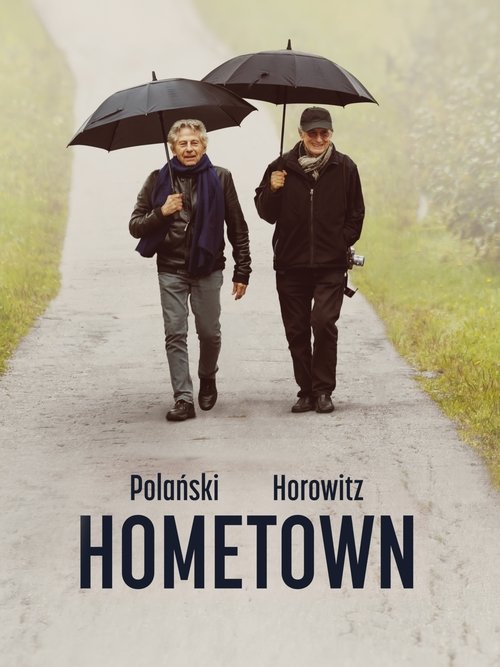
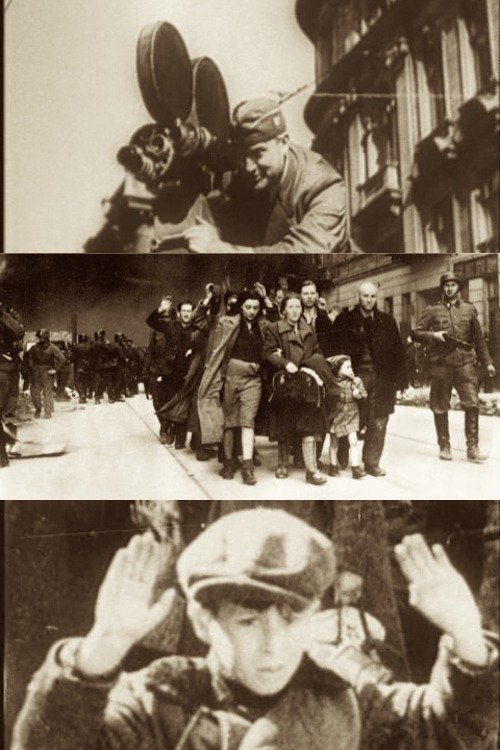
Filmmaker Roman Polanski and photographer Ryszard Horowitz meet in Kraków, Poland, where, strolling the streets, they share memories of their childhood and youth, the hardest days of their lives, when, during World War II, they met in the ghetto established by the Nazi occupiers.
1992
1998
2019
1985

2000
2005
2006
1942
No reviews yet. Be the first to share your thoughts on this movie!
Use the rating form above to leave a star rating and optional review.