The Brood
1979
No user ratings available yet
Representation score: 5.0 out of 10
Representation Score
Limited
1974
PGDirector
Larry Cohen
Runtime
91 minutes
Average Rating
No ratings yetNew Showbiz Analysis
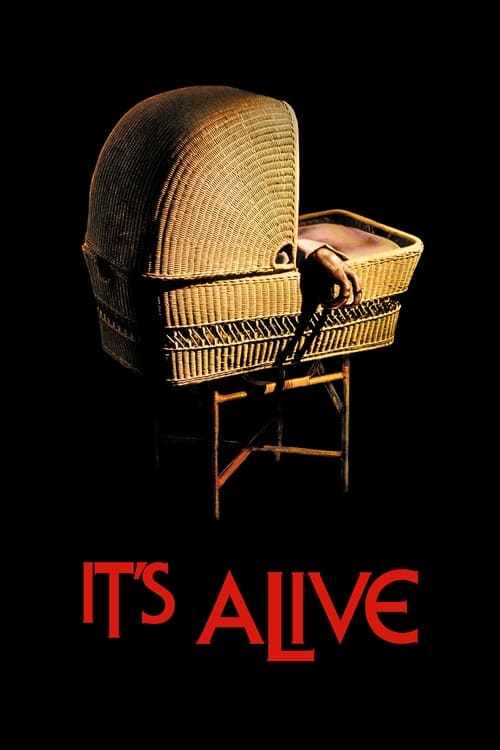
It's Alive is a genre piece that prioritizes thematic rebellion over demographic diversity. It functions as a critique of systemic control, positioning the state as an antagonist to natural rights. This anti-institutional stance provides a layer of intellectual depth often missing from standard horror. However, the film remains a product of its era regarding casting and gender roles. The lack of racial and LGBTQ+ representation keeps the social scope narrow, focusing almost exclusively on a traditional white, middle-class urban framework. Ultimately, the film's strength lies in its subversion of authority rather than its inclusivity. It challenges the morality of the establishment, even if it fails to challenge the social hierarchies of its time.
Category Breakdown
The film does not include any LGBTQ+ characters or narratives. Relationships and interactions are centered around the traditional family structure without any queer undertones.
The story focuses heavily on the father's role, with female characters primarily defined by their relationships to the family crisis and household dynamics.
The cast is predominantly white, reflecting the urban demographics of the mid-1970s. The film does not include diverse racial representation or multi-layered characters.
The story sharply criticizes Western institutional structures, portraying medical and governmental establishments as cold, oppressive forces against natural rights.
The child character symbolizes biological 'otherness.' Despite having a significant role, the depiction relies on the 'monster' cliché.
Present on Screen
Limited or Absent
Official Synopsis
The Davises are expecting a baby, which turns out to be a monster with a nasty habit of killing people whenever scared. And it's easily scared.
1979

1960
1980

1958
1977
1957
1982

1958
No reviews yet. Be the first to share your thoughts on this movie!
Use the rating form above to leave a star rating and optional review.