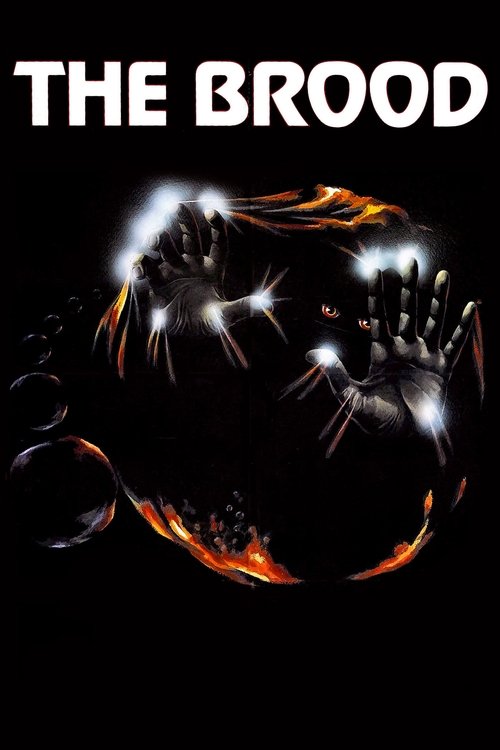
The Brood
1979
No user ratings available yet
Representation score: 5.0 out of 10
Representation Score
Fair
1977
NRDirector
David Lynch
Runtime
89 minutes
Average Rating
No ratings yetNew Showbiz Analysis
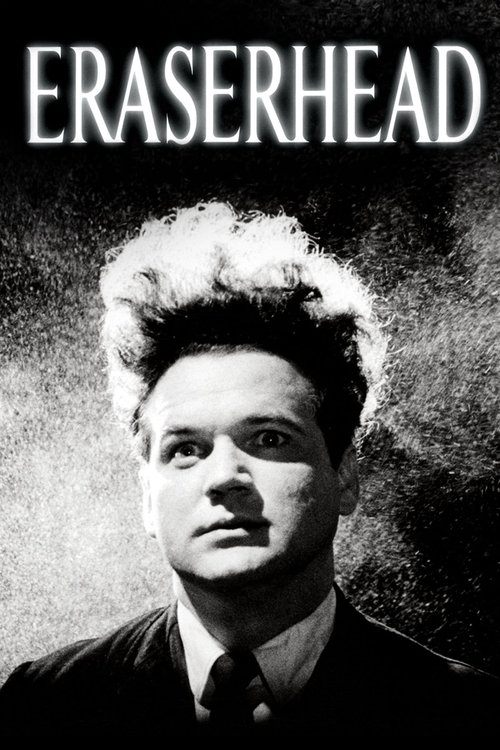
Eraserhead is a landmark of postmodern surrealism that upends conventional expectations of domestic life. It replaces traditional storytelling with a dream-like structure, prioritizing existential dread and sensory alienation over moral clarity. The film excels at challenging societal norms, particularly through its critique of the nuclear family and industrial capitalism. By presenting the American Dream as a nightmare of alienation, it questions the sanctity of Western institutions. However, the film lacks demographic diversity, providing little representation for LGBTQ+ identities or racial diversity.
Category Breakdown
The film doesn't include explicit representations of non-straight or non-cisgender identities. It focuses on the surreal relationship between Henry and Mary without addressing LGBTQ+ themes.
Henry Spencer challenges traditional masculinity by appearing inept and anxious rather than a stable provider. Mary operates outside typical feminine roles, appearing detached and dreamlike within a psychologically unstable home environment.
The cast is predominantly white and set in a bleak, industrial environment. The narrative does not feature diverse ethnic groups, focusing instead on individual alienation within a mechanical, urban landscape.
The film critically examines industrial capitalism and the nuclear family. It portrays parenthood as a biological horror and rejects traditional ethical frameworks in favor of a subjective, sensory reality.
The presence of a mutant infant explores biological abnormalities and neurodivergence. The film avoids pitying the entity, instead using it as a catalyst for exploring identity and bodily autonomy.
Present on Screen
Limited or Absent
Official Synopsis
First-time father Henry Spencer tries to survive his industrial environment, his angry girlfriend, and the unbearable screams of his newly born mutant child.
1979

1960
1974
1975
1970
1977
1981
1988
No reviews yet. Be the first to share your thoughts on this movie!
Use the rating form above to leave a star rating and optional review.