
The Sap
1926
No user ratings available yet
Representation score: 1.2 out of 10
Representation Score
Limited
1928
PassedDirector
Mack Sennett
Runtime
90 minutes
Average Rating
No ratings yetNew Showbiz Analysis
The film operates as a traditional period piece that aligns with many social norms of the late silent era. Though it lacks complexity in addressing multiple aspects of identity, it offers a notable challenge to gender hierarchies by giving ability to act to its female protagonist. However, the production remains consistent with the demographic uniformity of 1920s cinema. The narrative centers on established Western institutions and conventional romantic clichés, offering little space for diverse cultural or identity-based perspectives. Ultimately, the film's strength lies in its character-driven approach to gender roles, despite the limitations imposed by the era's lack of racial and LGBTQ+ representation.
Category Breakdown
The film centers on a typical romantic relationship between Sally and Johnny. It doesn't include non-straight identities or challenge the assumption that everyone is straight.
Sally drives the story, breaking traditional wartime roles. She uses her influence to inspire her partner, highlighting women's intelligence over male dominance.
The cast seems to follow the standard homogeneous casting practices of 1920s Hollywood. There is no indication of diverse or non-Anglo-Saxon representation.
The story emphasizes Western social and religious traditions like the Salvation Army. It upholds traditional values of patriotism and duty during wartime.
There are no characters with visible or invisible disabilities in the film.
Present on Screen
Limited or Absent
Official Synopsis
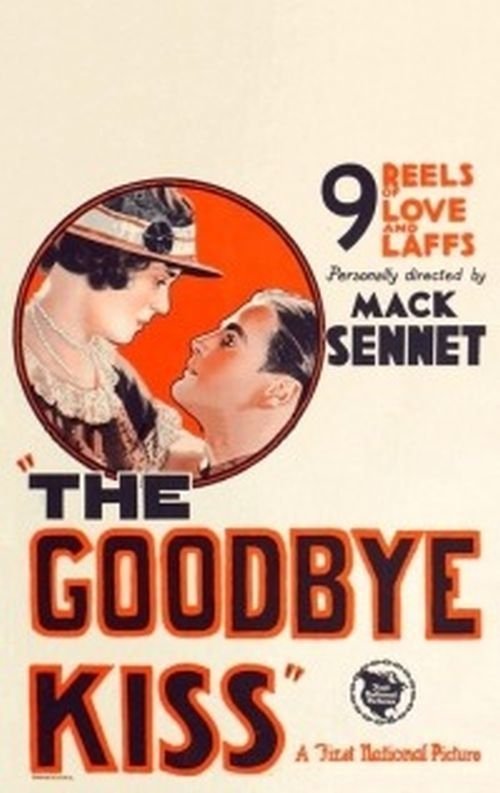
Sally (Sally Eilers) joins the Salvation Army in order to follow her boyfriend Johnny (Johnny Burke) when he's shipped off to fight in the First World War. When Johnny turns out to be a bit of a coward, Sally spurs him and his fellow soldiers on to heroism. The Good-Bye Kiss was noted at the time for being a Mack Sennett comedy played relatively straight, with plenty of plot and very little slapstick.
1926
1925
1928
1918
1929
1926
1918
1930
No reviews yet. Be the first to share your thoughts on this movie!
Use the rating form above to leave a star rating and optional review.