Bringing Up Baby
1938
No user ratings available yet
Representation score: 4.4 out of 10
Representation Score
Fair
1972
GDirector
Peter Bogdanovich
Runtime
94 minutes
Average Rating
No ratings yetNew Showbiz Analysis
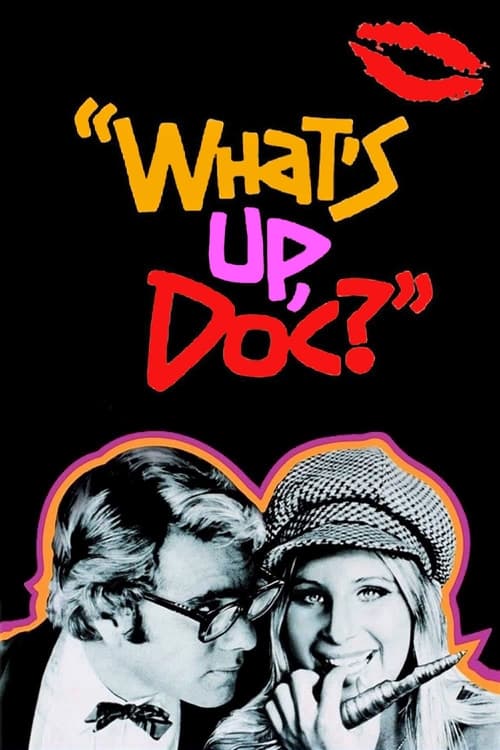
What's Up, Doc? stands out as a postmodern reimagining of the screwball comedy genre, particularly through its challenge to traditional gender power structures. By giving female characters significant roles and intellect, the film shifts away from male-dominated narratives. However, the film remains confined to the demographic limitations of its 1930s setting. It lacks meaningful representation of LGBTQ+ identities and maintains a largely homogeneous cast focused on the assumption that everyone is straight or cisgender. Overall, the film's progressive elements lie in celebrating chaotic liberation and character's ability to drive the story, while it falls short in addressing broader multi-layered or institutional critiques.
Category Breakdown
The film focuses on heterosexual relationships and misunderstandings, with no representation of LGBTQ+ identities or critiques of the assumption that everyone is straight or cisgender.
Madeline Kahn's character plays a key role in driving the plot, showcasing strong intellect and ability to act. The film avoids portraying women in submissive roles, instead emphasizing their active and intelligent contributions.
Set in a stylized 1930s San Francisco, the cast is predominantly white. The film does not make intentional efforts to include diverse representation or challenge the period's social dynamics.
The narrative celebrates chaotic, anti-social behavior as a form of liberation. However, it does not critically examine Western institutions such as capitalism or religion.
The film does not focus on visible or invisible disabilities. Characters are defined by their social status and comedic roles rather than by neurodivergence or physical conditions.
Present on Screen
Limited or Absent
Official Synopsis
The accidental mix-up of four identical plaid overnight bags leads to a series of increasingly wild and wacky situations.
1938
1964
1992
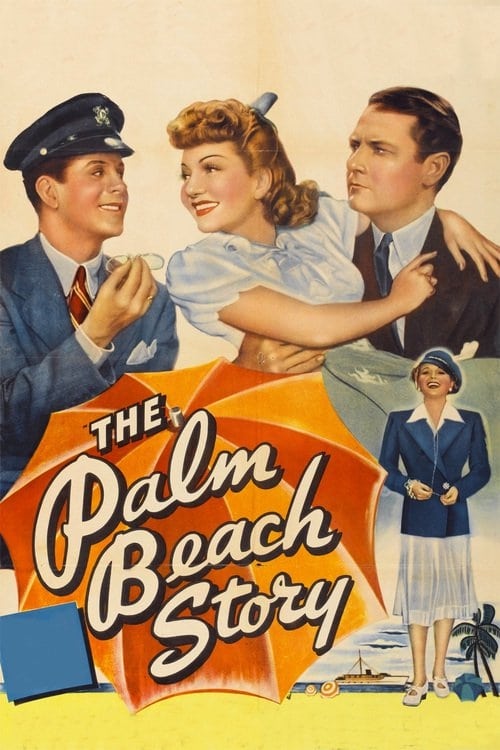
1942
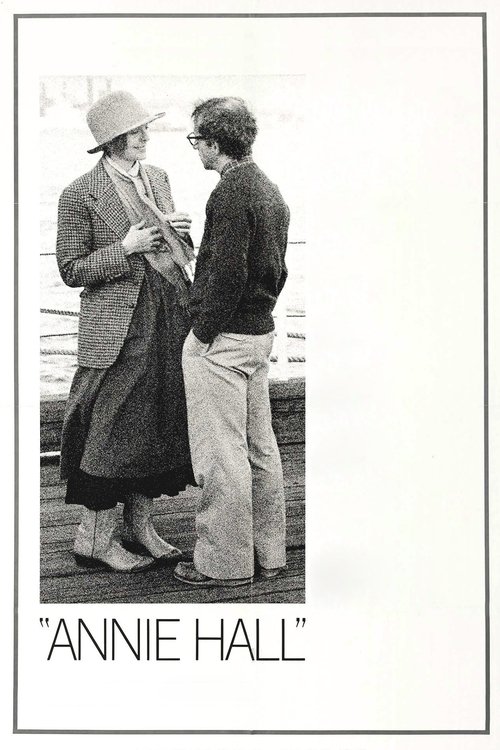
1977
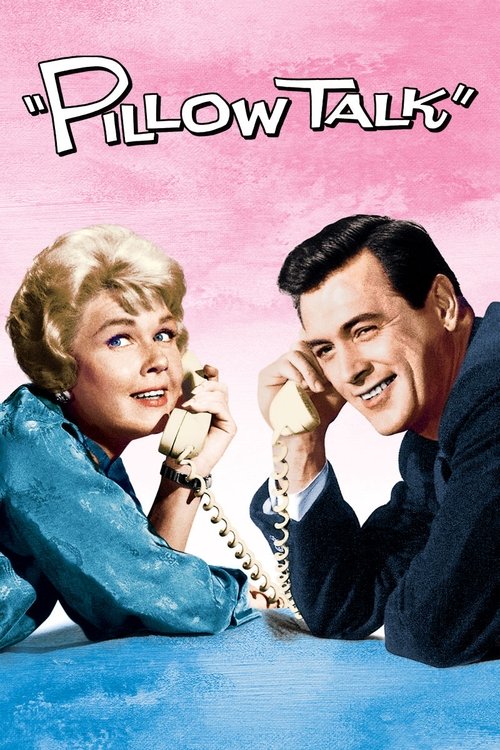
1959
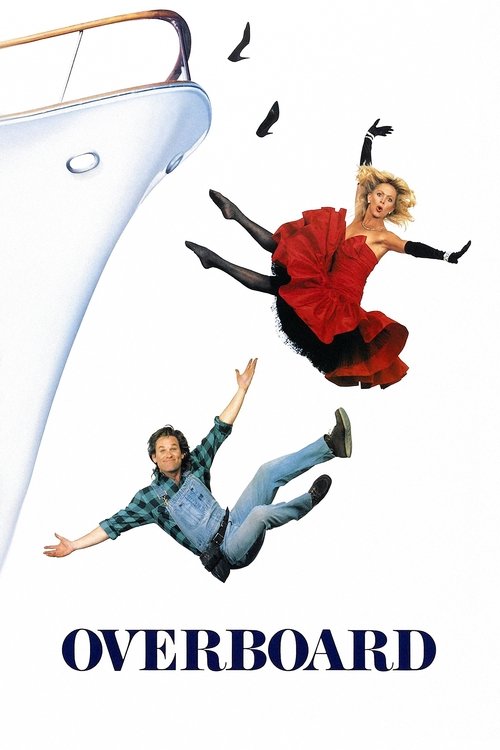
1987
1957
No reviews yet. Be the first to share your thoughts on this movie!
Use the rating form above to leave a star rating and optional review.