
The Wedding Planner
2001
No user ratings available yet
Representation score: 2.4 out of 10

Representation Score
Limited
1996
PGDirector
Michael Hoffman
Runtime
108 minutes
Average Rating
No ratings yetNew Showbiz Analysis
One Fine Day is a traditional romantic comedy that emphasizes personal emotional journeys over broader societal issues. It successfully portrays a woman with professional authority and independence, breaking away from some outdated genre conventions regarding female characters. However, the film remains firmly rooted in conventional Western social structures and moral standards. It lacks racial diversity and avoids engaging with any perspectives outside of a white, middle-class experience. The narrative sticks to standard social frameworks and avoids any significant socio-political critique. Overall, while the film offers a nuanced portrayal of modern single parenthood, it falls short in providing the multi-layered depth needed to transcend a typical genre piece.
Category Breakdown
The film does not include any LGBTQ+ characters or non-straight relationships. The love story focuses solely on the heterosexual relationship between the main characters.
Melanie Parker is portrayed as a capable and independent architect balancing both her career and single motherhood. While it challenges some traditional gender roles, the romantic storyline follows a conventional path.
The cast is predominantly white and upper-middle class. New York City is depicted as a romantic setting without highlighting diverse racial backgrounds.
The story follows conventional Western social norms and moral standards. It centers on the practical challenges of modern life within established professional settings.
Maggie's behavior, such as wandering, is used mainly for comedic effect. The film does not delve into the real-life experiences of neurodivergent children.
Present on Screen
Limited or Absent
Official Synopsis
Melanie Parker, an architect and mother of Sammy, and Jack Taylor, a newspaper columnist and father of Maggie, are both divorced. They meet one morning when overwhelmed Jack is left unexpectedly with Maggie and forgets that Melanie was to take her to school. As a result, both children miss their school field trip and are stuck with the parents. The two adults project their negative stereotypes of ex-spouses on each other, but end up needing to rely on each other to watch the children as each must save his job. Humor is added by Sammy's propensity for lodging objects in his nose and Maggie's tendency to wander.
2001

1988

1987
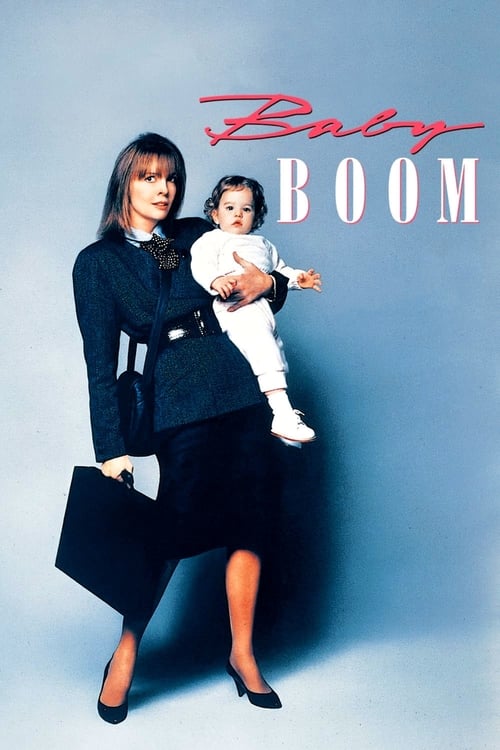
1987

1998

1985

1989

1995
No reviews yet. Be the first to share your thoughts on this movie!
Use the rating form above to leave a star rating and optional review.