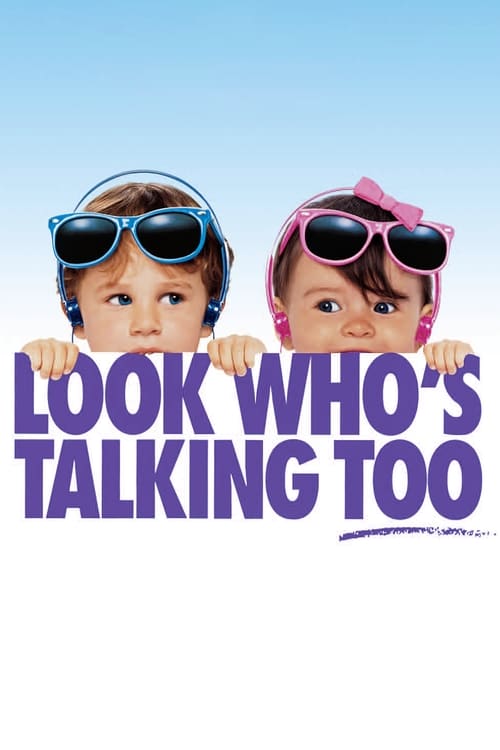
Look Who's Talking Too
1990
No user ratings available yet
Representation score: 1.2 out of 10
Representation Score
Minimal
1989
PG-13Director
Amy Heckerling
Runtime
96 minutes
Average Rating
No ratings yetNew Showbiz Analysis
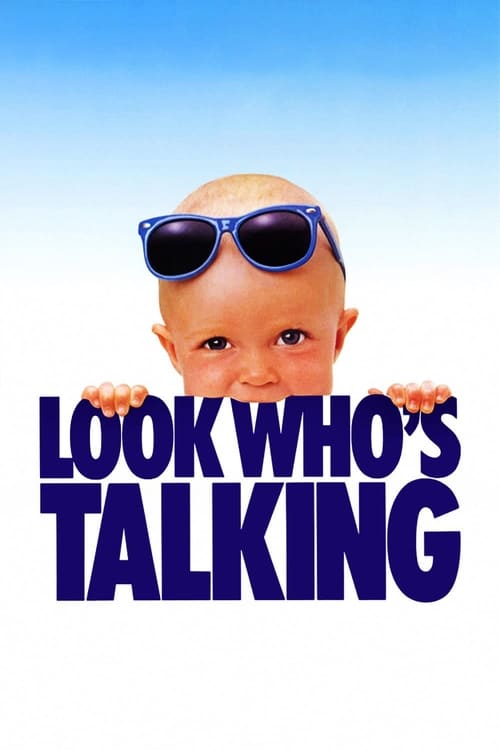
Look Who's Talking is a typical 1980s romantic comedy that emphasizes commercial clichés. While it highlights female autonomy and single motherhood, it remains tied to the era's conventional social structures. The film's strength lies in its portrayal of a career-focused woman managing solo parenthood. However, this progress is undermined by a lack of racial and cultural diversity, presenting a narrow, middle-class perspective. Ultimately, the movie lacks the multi-layered complexity or systemic critique necessary for a higher diversity rating, functioning as a standard studio production of its time.
Category Breakdown
The film adheres to a framework that assumes everyone is straight and cisgender, focusing on a traditional romance between a female and a male character without any queer narratives.
Mollie is portrayed as a career-driven woman navigating solo parenthood with significant influence, placing the story in a female-led domestic space rather than a traditional patriarchal household.
The setting is predominantly white and middle-class, lacking multi-layered depth or intentional racial diversity within the main character arcs.
The narrative centers on individualistic pursuits within a conventional Western framework, focusing on the nuclear family without broader social or institutional critiques.
There are no characters with visible or invisible disabilities, and the film does not incorporate neurodivergence or physical impairments into its character development.
Present on Screen
Limited or Absent
Official Synopsis
After a single, career-minded woman is left on her own to give birth to the child of a married man, she finds a new romantic chance in a cab driver. Meanwhile, the point-of-view of the newborn baby is narrated through voice-over.
1990
1987
2010

1993

1988
1985
1998

1991
No reviews yet. Be the first to share your thoughts on this movie!
Use the rating form above to leave a star rating and optional review.