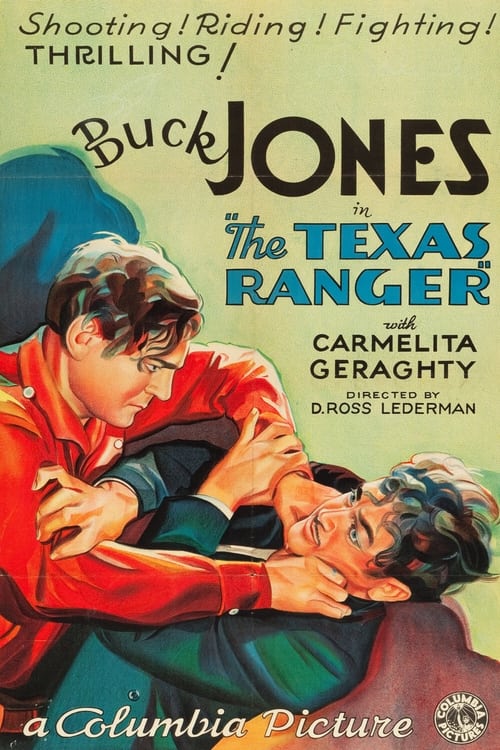
The Texas Ranger
1931
No user ratings available yet
Representation score: 1.1 out of 10
Representation Score
Minimal
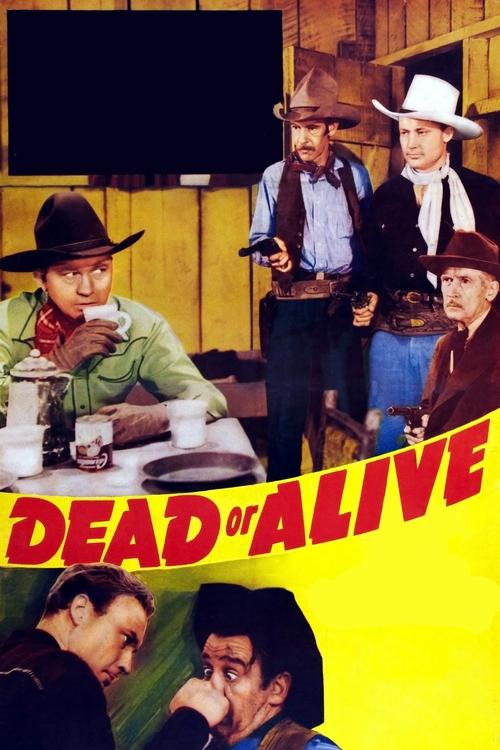
1944
NRDirector
Elmer Clifton
Runtime
54 minutes
Average Rating
No ratings yetNew Showbiz Analysis
Dead or Alive is a traditional Western film that adheres to the conventions of mid-century cinema. The narrative structure prioritizes established gender and racial hierarchies, without challenging the social norms of the time. The film centers on the classic conflict between law enforcement and outlaws, reinforcing traditional Western themes. It lacks complexity in addressing diverse identities and social issues. Ultimately, the work reflects the social constraints of 1944, relying on well-established frontier archetypes without attempting any narrative subversion or diverse storytelling.
Category Breakdown
The film does not include any characters with non-binary or LGBTQ+ identities, nor does it show any same-sex relationships. It follows the traditional assumption that everyone is straight and cisgender, which was common in 1940s Western cinema.
The story focuses on male-dominated struggles involving lawmen and outlaws. Female characters do not play significant roles or challenge traditional gender hierarchies.
The cast is composed of a homogeneous group within the American frontier setting. There are no non-white protagonists or characters described with diverse racial backgrounds.
The plot emphasizes the traditional Western legal order through the conflict between law enforcement and outlaws. It focuses on a standard moral struggle centered around these institutions.
The film does not depict any characters dealing with physical, sensory, or neurodivergent conditions. Disability is not used as a narrative device in this story.
Present on Screen
Limited or Absent
Official Synopsis
The Rangers are after Yackey and his gang. Posing as an outlaw, Dave arrives as Panhandle's prisoner and works his way into the gang. Tex arrives and joins Wright's committee. Tex plans a trap for the gang but things go awry when the gang catches Tex and the Committee catches Dave and both are about to be hung.
1931
1959
1951
1958
1931
1934

1944
1943
No reviews yet. Be the first to share your thoughts on this movie!
Use the rating form above to leave a star rating and optional review.