
Bol
2011
No user ratings available yet
Representation score: 9.6 out of 10
Representation Score
Fair
2020
Director
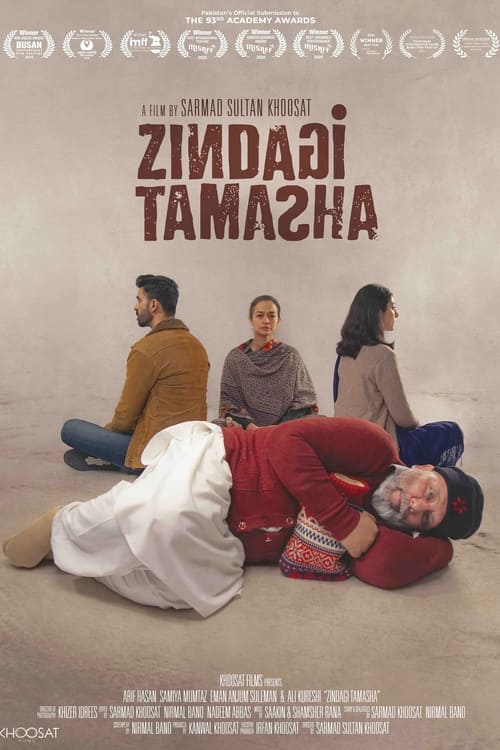
Sarmad Sultan Khoosat
Runtime
144 minutes
Average Rating
No ratings yetNew Showbiz Analysis
Circus of Life is a character-driven social drama that examines the fragility of reputation in the digital age. It uses a single viral moment to dismantle the social standing of a respected, pious elder, highlighting the tension between individual identity and communal judgment. The film excels at providing deep cultural immersion and critiquing social conformity. It effectively uses the protagonist's downfall to challenge traditional hierarchies and the suffocating nature of public scrutiny. However, the narrative lacks diverse representation. The portrayal of disability and gender is functional, serving the male protagonist's journey rather than providing independent, nuanced perspectives for those characters.
Category Breakdown
The film focuses on a traditional domestic structure centered on a devout Muslim protagonist. There is no evidence of non-assuming gender matches what was assigned at birth identities or narratives critiquing the assumption that everyone is straight or cisgender.
The film centers on a male protagonist, but the tension is driven by his wife and daughters. The bedridden wife provides the only empathy, subtly challenging traditional male leadership roles.
The film presents a culturally homogeneous Pakistani setting. It offers deep immersion into a specific ethnic and religious identity without seeking multicultural blending.
The story explores the friction between religious devotion and modern social media influence. It critiques rigid communal morality and the oppressive weight of social reputation.
A bedridden wife introduces themes of chronic illness. However, her role appears primarily functional to the protagonist's arc rather than offering a nuanced exploration of her condition.
Present on Screen
Limited or Absent
Official Synopsis
A devout Muslim who writes, composes, and even records hymns praising the Prophet, Muhammad Rahat Khawaja is a respected elderly man who works in real estate and takes care of his bedridden wife. One day, he attends the wedding of a friend's son, where he inadvertently shows off a dance in front of his friends and family. His dance gets recorded and then uploaded to all social media platforms, which then also gets broadcasted on television. And chaos begins to ensue in his quiet life. Other than his wife, no one else in the world understands Rahat's circumstances. His daughters and neighbors criticize him, his friends turn their backs on him
2011

2017
2009

2022

2003
2010

2011
2017
No reviews yet. Be the first to share your thoughts on this movie!
Use the rating form above to leave a star rating and optional review.