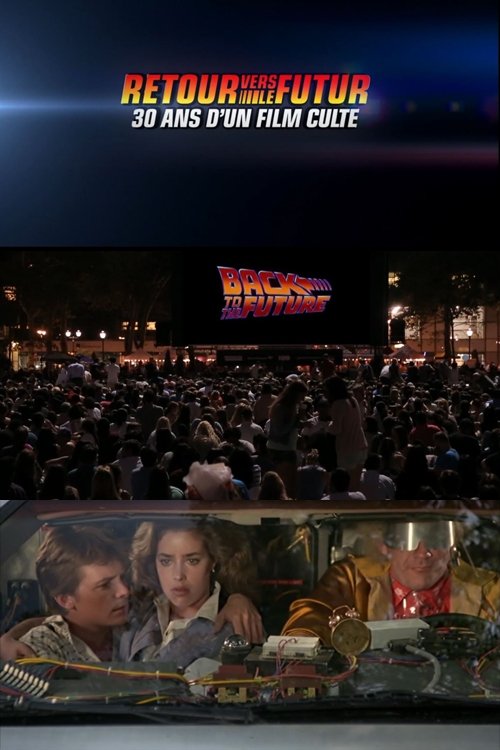
Retour vers le futur : 30 ans d'un film culte
2015
No user ratings available yet
Representation score: 1.3 out of 10
Representation Score
Minimal
2022
Director
Nathalie Amsellem
Runtime
53 minutes
Average Rating
No ratings yetNew Showbiz Analysis
This documentary focuses on the commercial longevity of the Back to the Future franchise, examining its production challenges and cultural impact within the context of the American Dream. The film's perspective is tied to traditional Hollywood practices, prioritizing the mechanics of blockbuster success over diverse social critiques. Because the subject matter is rooted in 1980s Western archetypes, the representation remains narrow, serving as a retrospective on a specific era of pop culture.
Category Breakdown
The documentary does not focus on queer identities and instead centers on the production history and commercial success of the franchise.
The film emphasizes a male-dominated hierarchy typical of 1980s Hollywood. It does not highlight female involvement or ability to act in the filmmaking process.
The subject matter is rooted in Anglo-centric storytelling, focusing on blockbuster status rather than exploring racial dynamics or diverse casting.
The film connects the franchise to the American Dream, examining traditional Western success narratives and how these cultural myths are constructed.
There is no mention of neurodivergence or physical disabilities as central themes. The documentary does not address these issues in its analysis.
Present on Screen
Limited or Absent
Official Synopsis
The script of "Back to the Future" was one of the most refused of Hollywood: more than forty times. No producer believed in this project of Robert Zemeckis and Bob Gale. Steven Spielberg imposed the film on Universal Studios, with Gale signing the script and Zemeckis directing. The director of "Jaws" will not regret it. In 1985, "Back to the Future" pulverized the box office and became a worldwide success, reinforced by two sequels in 1989 and 1990. Decade after decade, the popularity of this trilogy does not falter. Why this longevity while so many blockbusters sink into oblivion?
2015
2015
2002

2009
2010
2010
2015
2006
No reviews yet. Be the first to share your thoughts on this movie!
Use the rating form above to leave a star rating and optional review.