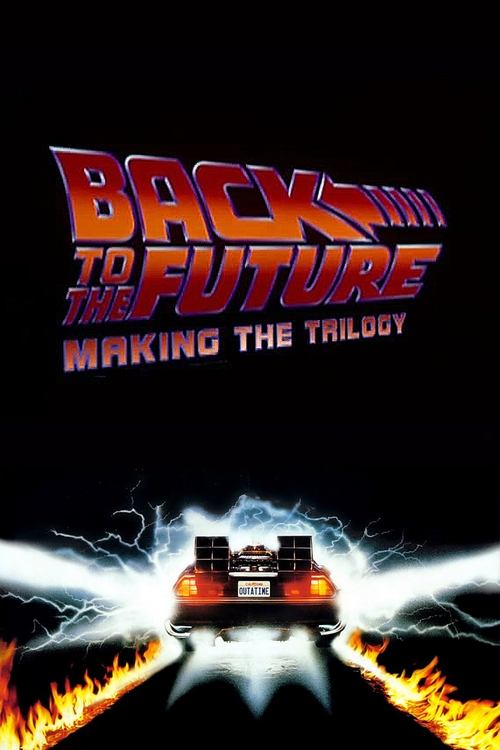
Back to the Future: Making the Trilogy
2002
No user ratings available yet
Representation score: 0.9 out of 10
Representation Score
Minimal
2015
Average Rating
No ratings yetNew Showbiz Analysis
This documentary focuses on the history of the *Back to the Future* trilogy rather than creating a modern narrative. By celebrating the legacy of the franchise, it reflects the social norms and casting practices of the 1980s. The production aims to preserve the historical context rather than applying modern multi-layered frameworks. Therefore, the content stays true to the traditional social structures of the original franchise. While contemporary interviewees offer a range of perspectives, the main subject lacks significant racial, gender, or LGBTQ+ representation.
Category Breakdown
The documentary doesn't focus on LGBTQ+ characters or stories. It looks back at a franchise that followed the standard norms of the 1980s.
Female cast and crew members get a chance to talk about their work, but the overall franchise follows traditional gender roles and leadership structures.
The main subject of the documentary features mostly white actors, which is typical of 1980s Hollywood. It doesn't center around non-white or non-Anglo-Saxon characters.
The film highlights the success of a classic American intellectual property and its cultural impact. It emphasizes the importance of this piece of Western pop culture.
There are no characters or subjects with disabilities that play a central role in the documentary's narrative.
Present on Screen
Limited or Absent
2002
2015
2010
2010
2006
2004
2022
2022
No reviews yet. Be the first to share your thoughts on this movie!
Use the rating form above to leave a star rating and optional review.