Trekkies 2
2004
No user ratings available yet
Representation score: 8.8 out of 10
Representation Score
Good
2010
Not RatedDirector
Alexandre O. Philippe
Runtime
93 minutes
Average Rating
No ratings yetNew Showbiz Analysis
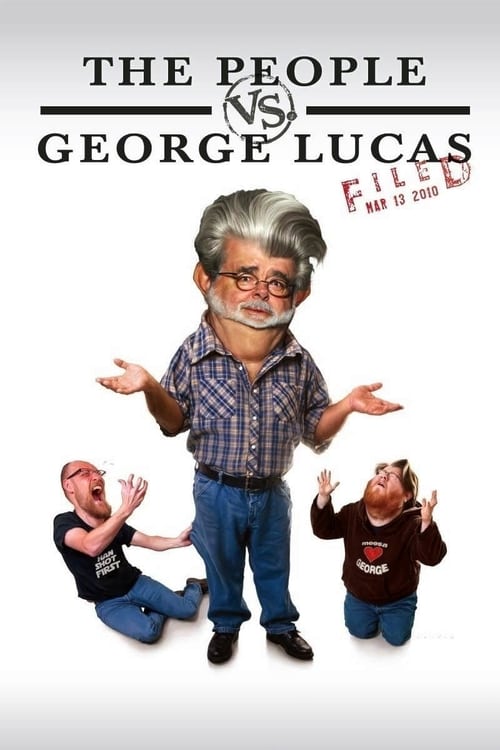
The documentary serves as a postmodern critique of authorship rather than a study of demographic representation. It challenges the centralized power of the creator, favoring the collective voice of the audience. While the film doesn't focus on race, gender, or LGBTQ+ identities, it succeeds in its structural approach to cultural ownership. It treats the community as an active force capable of deconstructing established media hierarchies. Ultimately, the film's strength lies in its philosophical disruption of the 'monolith' creator, even if it remains neutral regarding specific identity-based narratives.
Category Breakdown
The film doesn't focus on queer identities or non-traditional gender narratives. It questions mythic archetypes but doesn't depict same-sex relationships or queer identity explicitly.
The narrative challenges the traditional dominance of the male genius by questioning the singular auteur's power. However, it doesn't actively center women's roles or provide detailed character studies.
The documentary focuses on the sociology of fandom rather than diverse racial or ethnic backgrounds. It explores the Star Wars mythos but doesn't prioritize racial or ethnic diversity in its own production.
The film excels by promoting pluralistic interpretations over centralized control. It champions the subjective views of the audience, effectively deconstructing the idea of a singular, authoritative truth.
The documentary lacks a focused exploration of visible or invisible disabilities. Its scope remains primarily intellectual and sociological, leaving this category largely unaddressed.
Present on Screen
Limited or Absent
Official Synopsis
The passion the original Star Wars trilogy inspires in its fans is unparalleled; but when it comes to George Lucas himself, many have found their ardor has cooled into a complicated love-hate relationship. This hilarious, heartfelt documentary delves deep into Lucas’s cultural legacy, asking all the tough questions. Has Lucas betrayed his masterwork? Should he just have left the original trilogy alone? Is The Phantom Menace so bad it should carry a health warning? Utilizing interviews taken from over 600 hours of footage, and peppered with extraordinary Star Wars and Indiana Jones recreations lovingly immortalized in song, needlepoint, Lego, claymation, puppets and paper-mâché, above all this film asks the question: who truly owns that galaxy far, far away—the man who created it, or the fans who worship it?
2004
2004
2002
2012
2010
2022
2007
2014
No reviews yet. Be the first to share your thoughts on this movie!
Use the rating form above to leave a star rating and optional review.