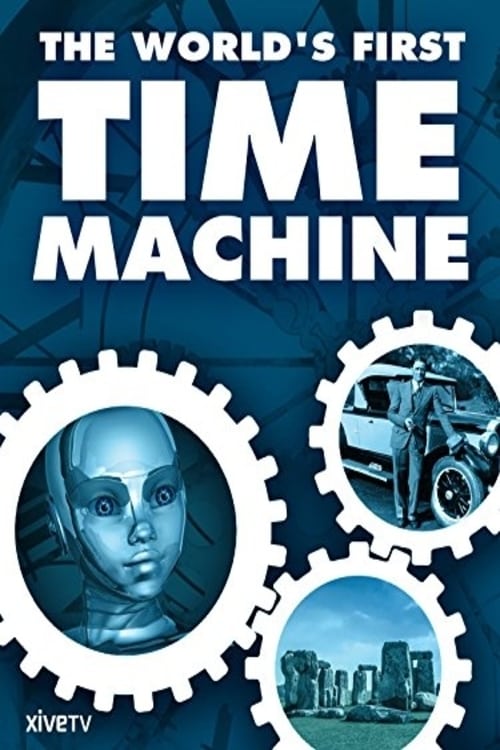
The World's First Time Machine
2003
No user ratings available yet
Representation score: 1.6 out of 10
Representation Score
Minimal
2015
Director
Gilles Ganzmann
Runtime
44 minutes
Average Rating
No ratings yetNew Showbiz Analysis
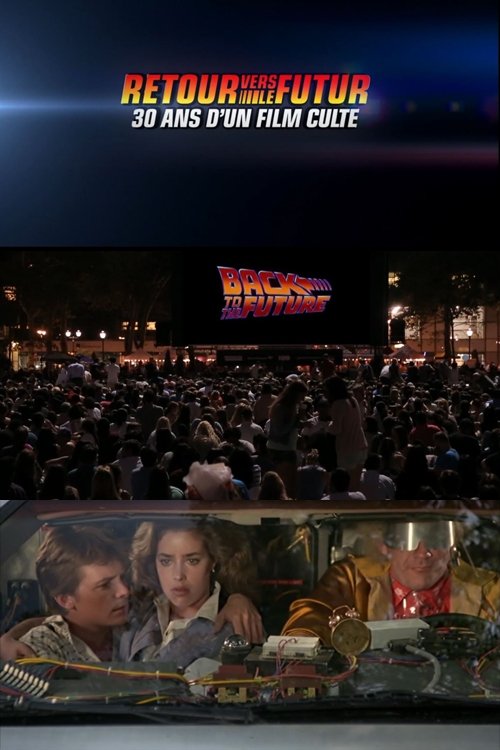
This documentary serves as a comparative study between the speculative futurism of Robert Zemeckis’s 1985 work and the actual technological landscape of 2015. Since the film is centered on technological progress and film history, it lacks the narrative structure needed to engage with character-driven identity politics or interpersonal diversity. The content is fundamentally observational and historical. It prioritizes technological milestones and the fulfillment of speculative science fiction over disrupting social or systemic hierarchies. Ultimately, the work lacks the narrative complexity and character-driven depth necessary to address characters who reflect more than one aspect of diversity.
Category Breakdown
The documentary focuses on the evolution of inventions and the legacy of the franchise. It does not include any narratives or character development related to LGBTQ+ identities.
The analysis centers on the historical impact of a franchise defined by male protagonists. It does not explore nuanced gender dynamics or subvert traditional gender hierarchies.
The subject matter centers on a specific Western cinematic franchise. The core narrative does not prioritize racial or ethnic diversity or the deconstruction of Anglo-centric narratives.
The film engages with themes of technological optimism and Western cinematic history. It does not explicitly critique Western institutions or prioritize secularism or anti-capitalist frameworks.
There is no indication that the documentary addresses neurodivergence, physical disabilities, or sensory impairments as part of its thematic exploration of technology or film history.
Present on Screen
Limited or Absent
Official Synopsis
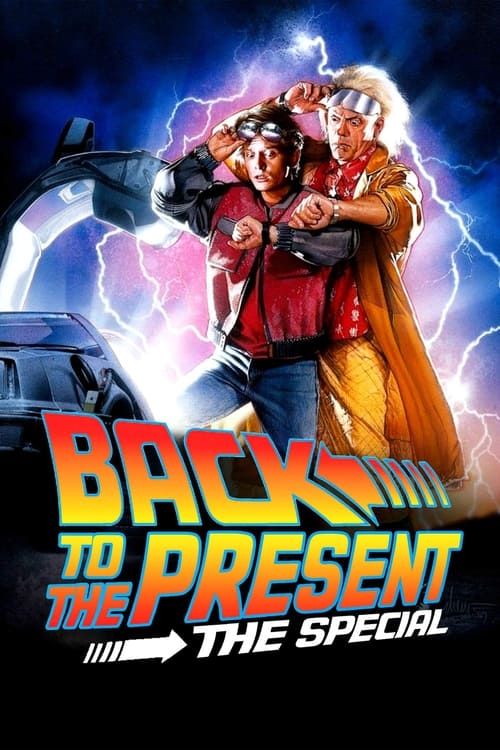
Robert Zemeckis's Back To The Future was a huge box-office hit in 1985 that ultimately led to two sequels. In 1989, in Back To The Future Part II, Michael J. Fox aka Marty Mc Fly and Christopher Lloyd aka DOC, travel into the future to October 21st 2015. At the time, the movie's crazy inventions seemed far from achievable but little did we know they would actually be so close to reality!
2003
2015
2002
2013
2010
2018

1989
2015
No reviews yet. Be the first to share your thoughts on this movie!
Use the rating form above to leave a star rating and optional review.