
I Love Hitler
1984
No user ratings available yet
Representation score: 5.7 out of 10
Representation Score
Fair
2015
Not RatedDirector
David Wnendt
Runtime
116 minutes
Average Rating
No ratings yetNew Showbiz Analysis
Look Who's Back is a socio-political satire that prioritizes institutional critique over demographic representation. While it captures the multicultural reality of modern Berlin, the diverse cast often remains secondary to the central protagonist's impact on the public. The film's strength lies in its cultural commentary, using a mockumentary style to deconstruct the vulnerabilities of liberal democracy and media integrity. It examines how social norms can be manipulated by extremist rhetoric. However, the narrative lacks depth in individual character arcs for underrepresented groups. Gender and LGBTQ+ identities are present but do not drive the plot or challenge existing social hierarchies.
Category Breakdown
The film does not prominently feature LGBTQ+ narratives or non-binary identities. It operates within a conventional social framework to facilitate its satirical premise.
Women appear in various professional and social roles, such as media personalities. However, they do not serve as primary drivers of the plot to challenge masculine power structures.
The contemporary Berlin setting features a multicultural cast reflecting modern German demographics. These characters often function as part of the audience rather than having complex, driving arcs.
The film offers a sophisticated critique of Western institutions and media conglomerates. It explores how modern tolerance can be used to bypass traditional ethical boundaries.
There are no prominent depictions of visible or invisible disabilities that serve as central narrative drivers.
Present on Screen
Limited or Absent
Official Synopsis
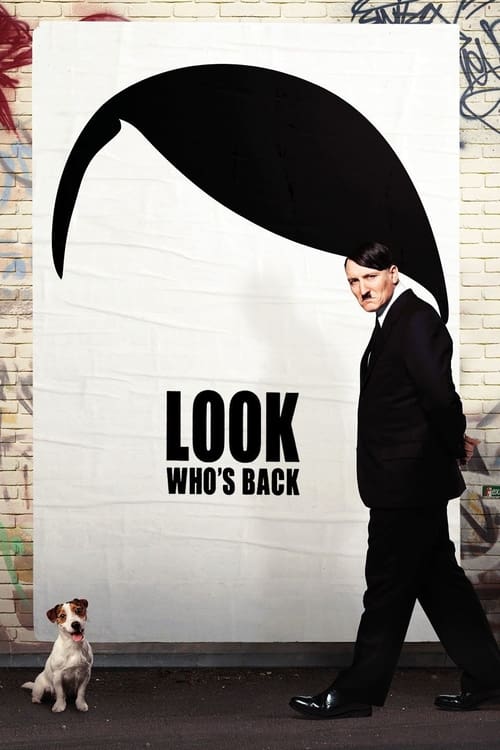
When Adolf Hitler reawakens at the site of his former bunker in present-day Berlin, he is mistaken for a comedian and quickly becomes a media phenomenon.
1984

2015

2018

2006

1986

2008
2009

1983
No reviews yet. Be the first to share your thoughts on this movie!
Use the rating form above to leave a star rating and optional review.