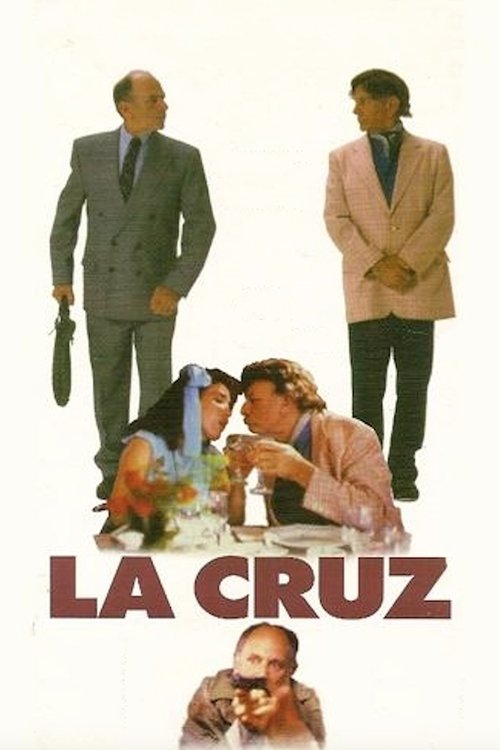
La cruz
1998
No user ratings available yet
Representation score: 2.6 out of 10
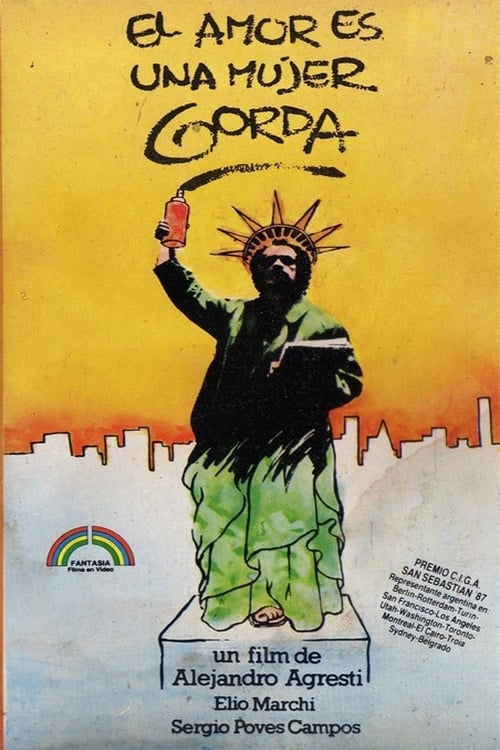
Representation Score
Fair
1987
Director
Alejandro Agresti
Runtime
82 minutes
Average Rating
No ratings yetNew Showbiz Analysis
Alejandro Agresti’s drama primarily functions as social commentary rather than a study of diverse identities. Its strength lies in challenging Western cultural dominance and critiquing the 'spectacle'. The film effectively portrays resistance against foreign media interests. By focusing on a local journalist's defiance of American narratives, it offers a nuanced look at cultural ability to act. However, the film lacks visible representation of LGBTQ+ identities or disability. The narrative structure remains conventional in its portrayal of romance and characters.
Category Breakdown
The main character searches for a former romantic partner, but there is no clear indication of queer identities or ability to act within the story.
The story revolves around a male journalist named José. His ex-girlfriend seems passive, but the film delves into professional struggles and power dynamics.
The film challenges Western storytelling by focusing on an Argentine journalist. It highlights the impact of American media narratives on local contexts, reclaiming cultural identity.
The movie addresses anti-imperialist themes. It criticizes how globalized industries and foreign film crews can distort local truths for commercial purposes.
There is no mention of characters dealing with physical, sensory, or neurodivergent conditions in the film.
Present on Screen
Limited or Absent
Official Synopsis
José is a young journalist who gets fired over refusing to write an article about an American film crew, overdramatizing the situation in Argentina. When he goes looking for his old girlfriend, he runs into the crew again.
1998

1992
1987

2001
1985
1969
2000

1963
No reviews yet. Be the first to share your thoughts on this movie!
Use the rating form above to leave a star rating and optional review.