True Confessions
1981
No user ratings available yet
Representation score: 2.8 out of 10
Representation Score
Fair
1973
RDirector
Sidney Lumet
Runtime
113 minutes
Average Rating
No ratings yetNew Showbiz Analysis
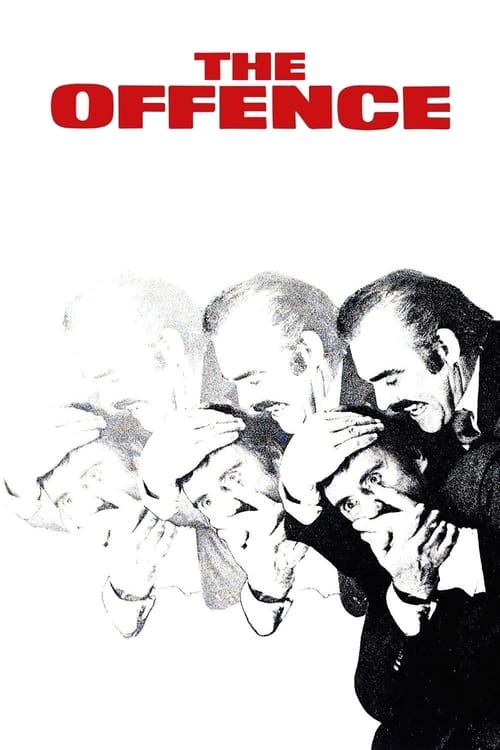
The film 'The Offence' is a psychological study that focuses on individual trauma rather than demographic diversity. While it lacks representation of LGBTQ+ identities or racial diversity, it offers a profound critique of Western institutional stability. The narrative uses the legal system to explore how personal volatility can undermine professional impartiality. Its strength lies in its cultural skepticism, challenging the perceived infallibility of the law. However, the film remains tied to traditional structures, focusing on a homogeneous professional class and a male-centric psychological breakdown. It functions more as a character study of repressed trauma than a diverse social tapestry.
Category Breakdown
The film adheres closely to the assumption that everyone is straight or cisgender. It does not include any non-conforming gender identities or narratives that challenge traditional gender roles.
The story explores power dynamics through a sexual assault trial but does not challenge traditional hierarchies. It centers on the male protagonist's psychological breakdown rather than examining masculine control.
The cast is predominantly made up of white professionals in the legal system. The narrative lacks perspectives from minority groups, reflecting a traditional view of the urban professional class.
The film offers a sophisticated critique of Western institutional authority. It portrays the judicial system as a fragile construct, suggesting that truth is a subjective concept influenced by trauma.
Psychological instability and repressed trauma drive the protagonist's crisis. These elements serve the plot rather than providing a detailed exploration of mental health or neurodivergence.
Present on Screen
Limited or Absent
Official Synopsis
A burned-out British police detective finally snaps while interrogating a suspected child molester.
1981
1950

1971

1979

1995

1958
1990

1991
No reviews yet. Be the first to share your thoughts on this movie!
Use the rating form above to leave a star rating and optional review.