Carry On Up the Jungle
1970
No user ratings available yet
Representation score: 2.2 out of 10
Representation Score
Limited
1975
XDirector
Itza Fine, Carl Monson
Runtime
80 minutes
Average Rating
No ratings yetNew Showbiz Analysis
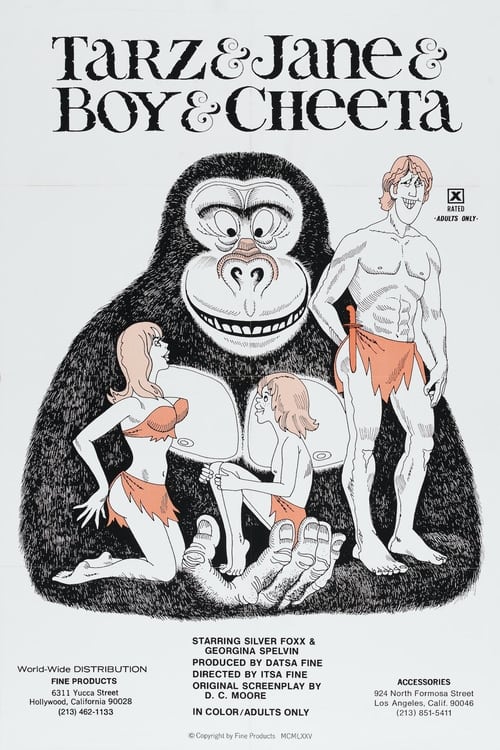
Tarz & Jane, Cheeta & Boy is a 1975 exploitation comedy that relies heavily on physical farce and traditional clichés. The narrative is driven by a male protagonist's anatomical trauma and a subsequent reliance on tribal mysticism. The film's structure suggests a narrow focus on masculine anxieties and heterosexual biological concerns. This approach limits the depth of character representation and social engagement. Cultural elements appear to function as convenient plot devices rather than nuanced portrayals. The reliance on 'magical' clichés for a Western-centric problem reflects common genre limitations of the era.
Category Breakdown
The film does not include any LGBTQ+ characters or narratives. The plot focuses on a biological crisis centered on heterosexual concerns.
The story centers on male physical integrity and masculine anxieties. Women in the film do not play a significant role in driving the story or challenging traditional hierarchies.
The Wango-Wango tribe provides magical intervention, but this risks using ethnic groups as mere plot devices. It is unclear if the casting was inclusive.
The use of tribal magic to solve a Western crisis suggests a lens of exoticism. The film lacks engagement with complex cultural nuances.
The plot revolves around a traumatic amputation. Such depictions in 1970s comedy often use physical impairment for shock or mockery rather than dignity.
Present on Screen
Limited or Absent
Official Synopsis
When his penis is bitten off by a crocodile, Tarz turns to the magical powers of the Wango-Wango tribe for help.
1970
1977
1970
1979

1974

2001
1975
1976
No reviews yet. Be the first to share your thoughts on this movie!
Use the rating form above to leave a star rating and optional review.