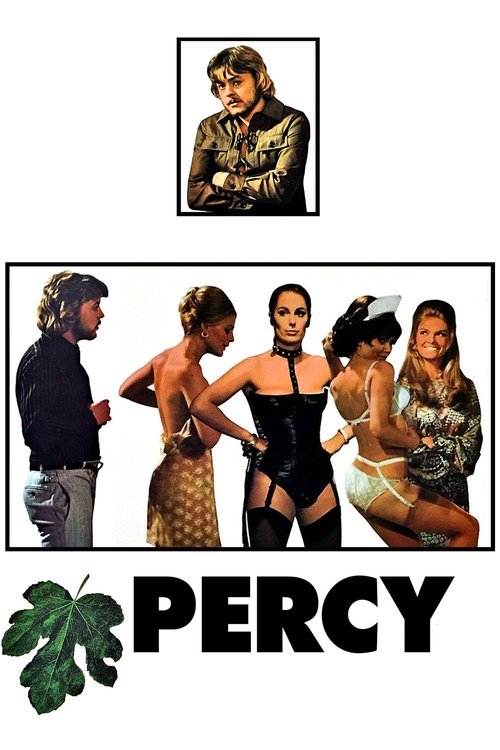
Percy
1971
No user ratings available yet
Representation score: 2.7 out of 10

Representation Score
Fair
1974
RDirector
Ralph Thomas
Runtime
90 minutes
Average Rating
No ratings yetNew Showbiz Analysis
Percy's Progress is a traditional 1974 British comedy that adheres to conventional mid-century structures. While the premise of male impotence offers a unique comedic angle, it does not translate into meaningful social or systemic critique. The film remains grounded in the demographic norms of its era, lacking depth in representing multiple aspects of identity. It treats the central medical conflict as an absurdity to be laughed at rather than a lived experience to be understood. Ultimately, the work functions as a period piece that explores biological vulnerability without challenging broader gender or racial hierarchies.
Category Breakdown
The film does not explicitly explore LGBTQ identities or challenge the assumption that everyone is straight. Instead, it focuses on a medical issue related to male virility.
Masculinity is portrayed through comedic struggles, disrupting the cliché of the unbreakable male lead by highlighting biological weakness rather than systemic issues.
The film likely reflects the homogeneous casting standards typical of mid-70s Western comedies. There is no indication of a diverse cast or actors playing roles outside their traditional backgrounds.
The story uses an environmental mishap as a comedic element but does not offer a clear anti-capitalist message or a progressive look at traditional family structures.
The protagonist's medical condition serves mainly as a comedic device. The film does not provide a nuanced portrayal of the character's experiences, instead using physical differences to drive the plot.
Present on Screen
Limited or Absent
Official Synopsis
Percy, the man with the world's first penis transplant, discovers that there is a chemical in the world's water that makes men impotent.
1971
1969
1978
1974
1975
1972
1996

1971
No reviews yet. Be the first to share your thoughts on this movie!
Use the rating form above to leave a star rating and optional review.